

Zirconia and porcelain crowns
Dental crowns and bridges repair damaged teeth or replace missing ones. Zirconia and porcelain are strong, tooth-coloured ceramic materials commonly used to craft them.
Last updated:
What it is
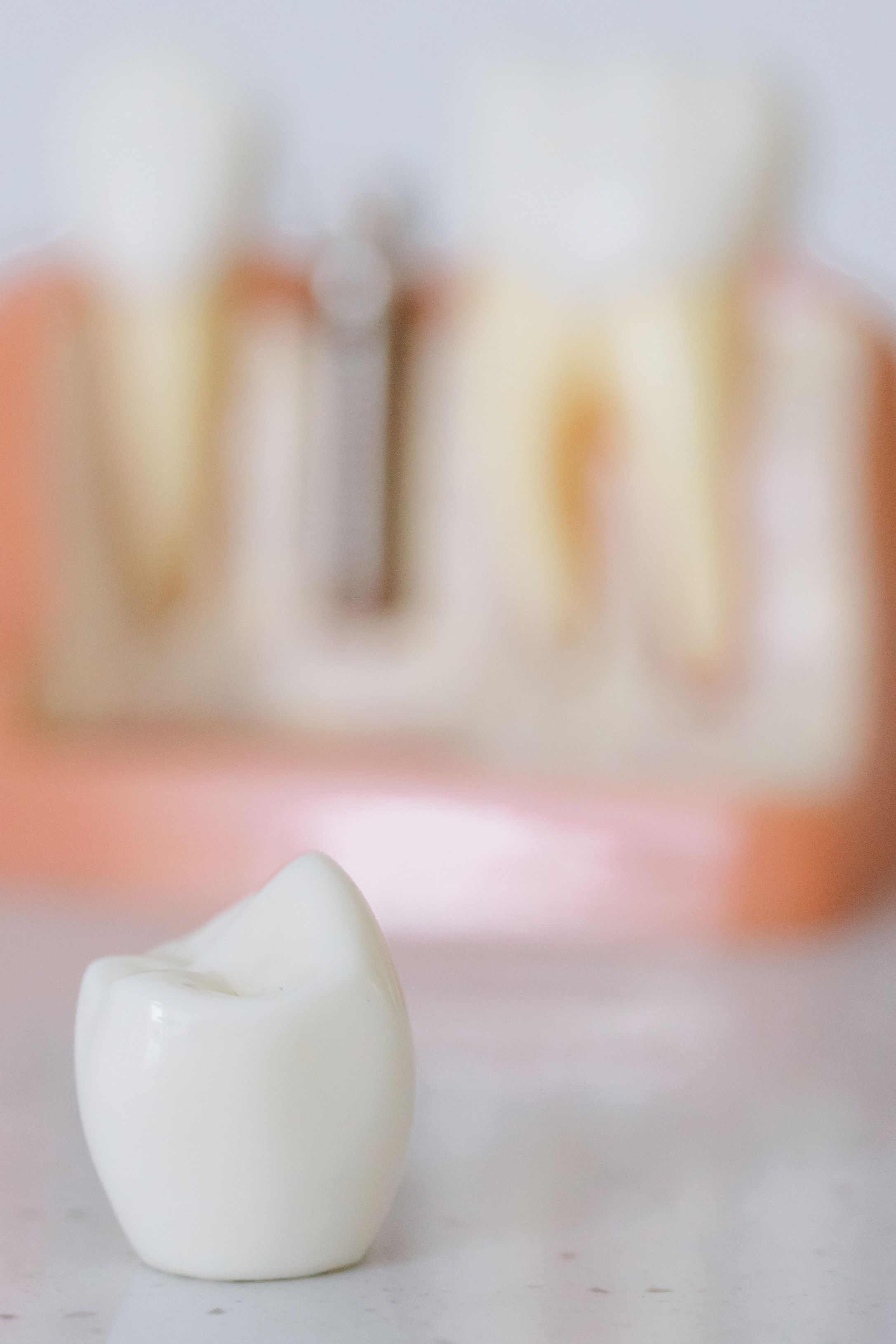
A dental crown is a custom-made cover (sometimes called a cap) that fits over the entire visible surface of a damaged, weakened or heavily filled tooth. It restores the tooth’s natural shape and size while protecting the remaining tooth structure underneath from cracking under chewing forces. Each crown is individually made from an impression or digital scan of your mouth.
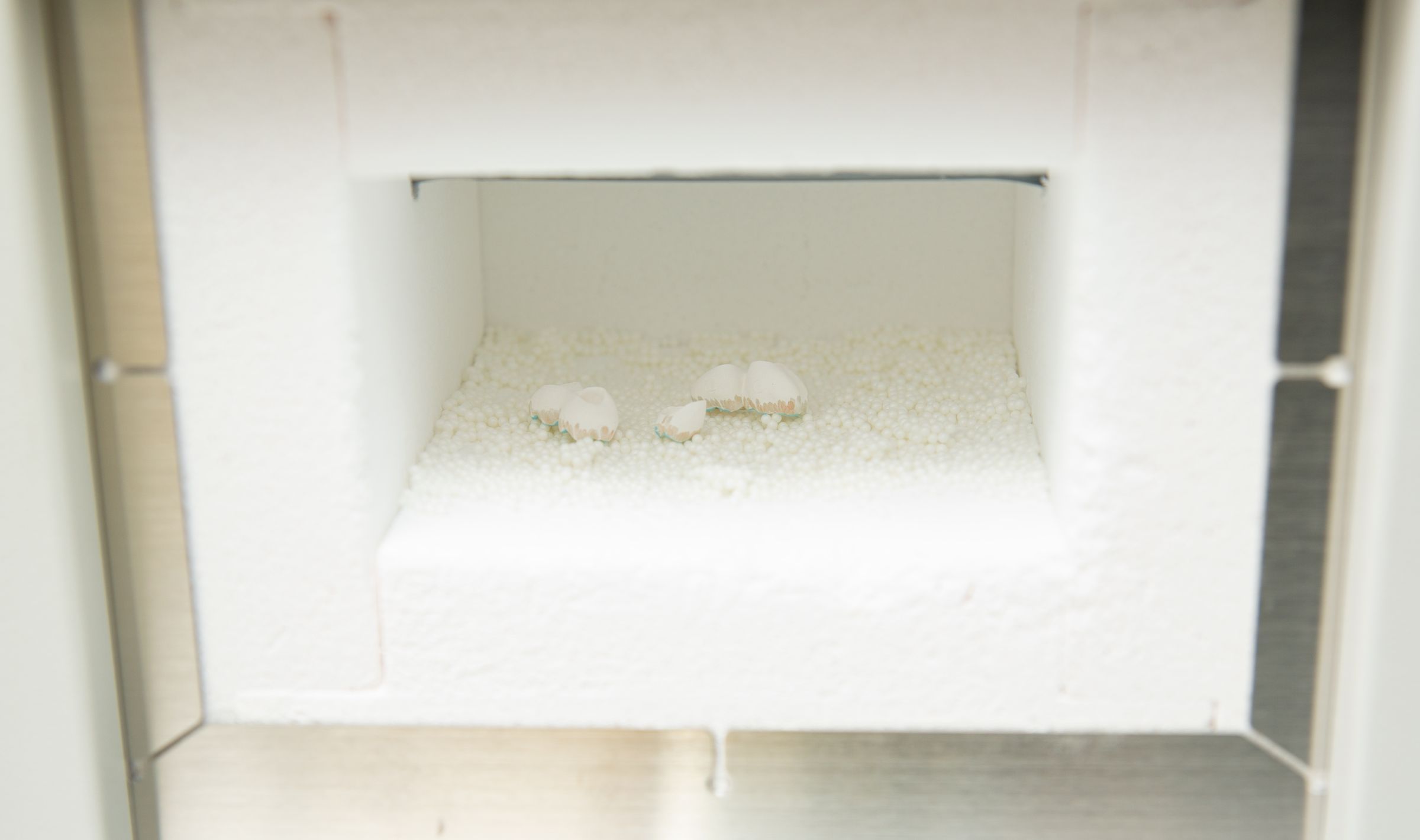
Dental ceramics are materials shaped in a dental laboratory and fired at high temperatures. Zirconia is a particularly tough ceramic material well suited to withstanding heavy biting forces, while porcelain is a glass-like ceramic prized for its natural translucency. Different ceramic options vary in their strength, light reflection and how they are crafted. Your dentist will explain which material suits the position of your tooth and your bite.
Bridges
A dental bridge is used to fill the space left by one or more missing teeth. In a traditional bridge, the natural teeth on either side of the gap are shaped to receive crowns, and these two supporting crowns hold a solid replacement tooth (or teeth) suspended firmly across the space in between. Like individual crowns, bridges can be made from zirconia or porcelain ceramics. A bridge can also be supported by dental implants rather than neighbouring natural teeth. Your dentist will explain which approach is appropriate for your mouth.
Who it may be suitable for
Your dentist may recommend a crown if:
- a tooth has extensive decay or a very large old filling where a new filling alone would not be strong enough
- a tooth is cracked, fractured or structurally weakened
- a tooth needs reinforcement and protection after root canal treatment
- a tooth is heavily worn down or shaped in a way that interferes with comfortable chewing
Your dentist may discuss a fixed bridge if you have lost one or more teeth and the teeth on either side of the space have healthy roots and strong bone support. However, a crown or bridge may not be suitable if too little healthy tooth remains above the gumline to hold a restoration, or if active gum disease is present and needs treatment first. Your dentist assesses this during your examination.
How the process works
- Examination and planning. Your dentist examines the tooth and surrounding gums, takes an x-ray to check the roots and bone, and talks you through the suitable options and ceramic materials.
- Preparing the tooth. Your dentist reshapes the outer surface of the tooth so the new crown can fit over it without feeling bulky. For a traditional bridge, the supporting teeth beside the gap are prepared in the same way.
- Impression or scan. Your dentist takes an impression or digital 3D scan of your prepared teeth and opposite jaw. A temporary crown or bridge is usually fitted to protect the teeth while your final restoration is being made.
- Making the crown or bridge. Dental technicians craft your custom crown or bridge in a laboratory to match your bite and tooth shade.
- Fitting. At your fitting visit, your dentist removes the temporary cover, checks the fit, shade and bite of the new crown or bridge, and cements it in place.
- Follow-up. Routine check-ups allow your dentist to check the margins of the crown or bridge and the health of the surrounding gums.
The number of appointments depends on your individual treatment plan. Your dentist will give you an estimate after your initial examination.
Possible risks and things to consider
Every dental treatment involves certain considerations and risks. Your dentist will explain those relevant to your teeth before you make a decision.
- Shaping a tooth to receive a crown or bridge removes a layer of natural tooth structure and cannot be reversed.
- A prepared tooth can feel temporarily sensitive to hot or cold food and drink. Occasionally, preparing a deeply decayed or heavily filled tooth can irritate the nerve inside, meaning root canal treatment may be needed later.
- Over time, a ceramic crown or bridge can chip, fracture or come loose if the cement washes out, and it may need re-cementing, repairing or replacing. Different ceramic materials have different strength characteristics.
- Tooth decay or gum inflammation can develop right at the edge where the crown meets the natural tooth if plaque is allowed to build up, so thorough daily brushing and cleaning between your teeth remain essential.
- Because the supporting teeth of a traditional bridge bear the chewing load of the missing tooth as well as their own, keeping them healthy is vital, and you will need to clean carefully underneath the replacement tooth every day.
- Your bite may feel slightly different at first and occasionally needs a minor polishing adjustment after fitting.
- How long a crown or bridge lasts depends on your oral health, whether you clench or grind your teeth, your daily home care and regular check-ups.
- Alternatives: for a damaged tooth, a large composite filling or a partial restoration (an onlay); for a missing tooth, a single dental implant, a removable partial denture, or leaving the space unfilled. Your dentist will explain how these compare.
After treatment
Your dentist will show you how to care for your new crown or bridge at home. Brush twice a day along the gumline and use floss, interdental brushes or specialty bridge floss to clean between the teeth and underneath a bridge as demonstrated. Your dentist may also advise avoiding biting down directly on very hard items (such as ice or hard sweets). Keep up with your routine check-ups, and please contact us if you have questions, if your bite feels high or uneven, or if a crown feels loose.
Frequently asked questions
Is a crown or bridge suitable for me?
Suitability depends on how much healthy structure remains in the tooth, the condition of your gums and supporting bone, and how your teeth bite together. Your dentist will assess these factors during an examination.
How many visits will I need?
The number of visits depends on how many teeth are being restored and your overall treatment plan. Your dentist will give you an estimate after examining your mouth.
Will I feel pain during treatment?
Before starting, your dentist will explain what you may feel at each stage and how your comfort will be looked after.
What is the difference between zirconia and porcelain?
Both are tooth-coloured dental ceramics, but they differ in their internal strength, how much light passes through them and how they are fabricated in the laboratory. Your dentist will explain which material properties matter most for the specific tooth being restored.
How long does a crown last?
There is no fixed timeframe. Its lifespan depends on the health of the underlying tooth and gums, your bite forces, how thoroughly you clean around the crown at home and regular dental check-ups.
What are the alternatives?
Your dentist will talk you through alternative ways to repair a broken-down tooth or replace a missing one, as well as what to expect if you choose not to have treatment. Each option has its own benefits and limitations.
Related treatments
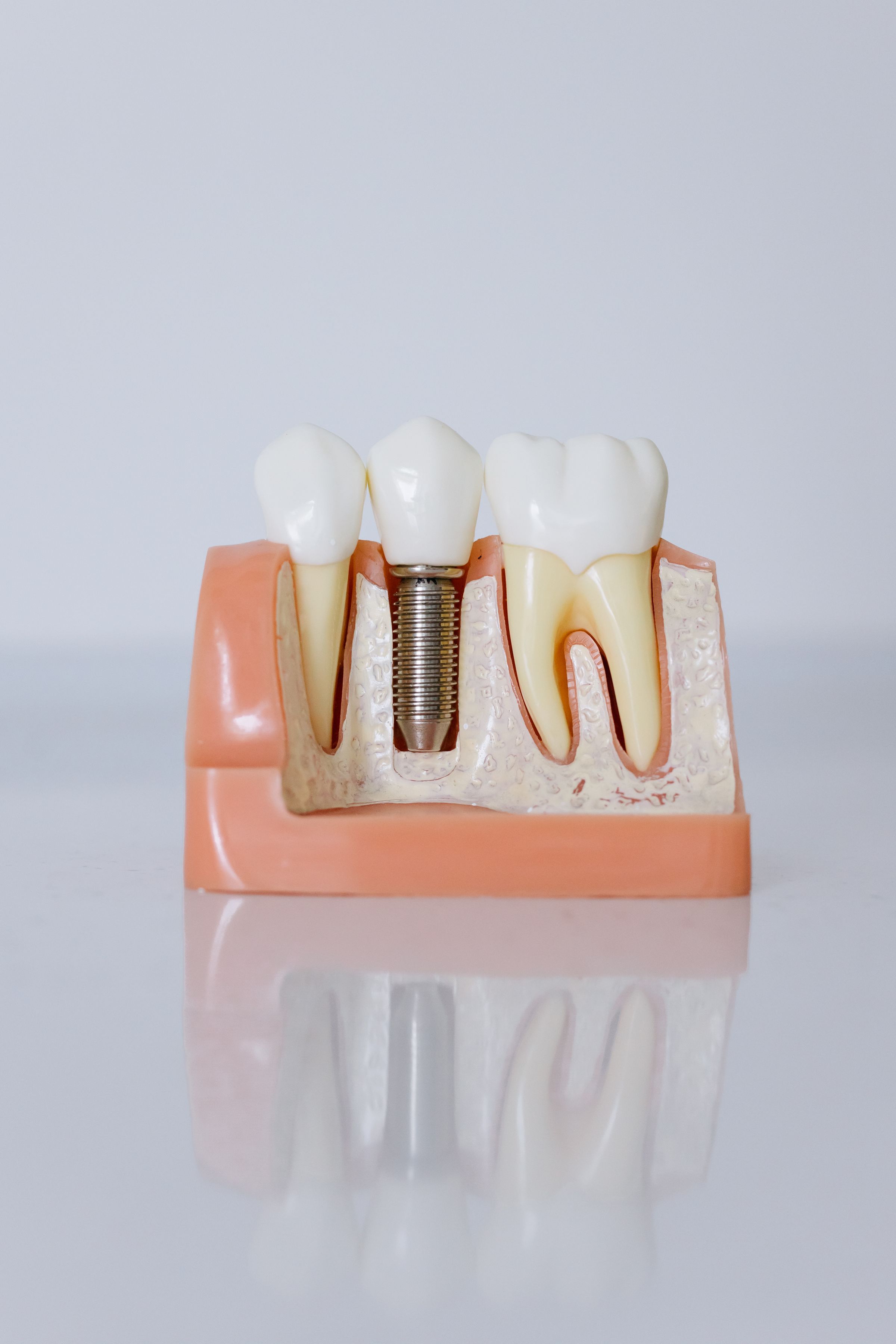
Dental implants
A dental implant is a small post, usually made of titanium, that is placed into the jawbone to support a replacement tooth.
Read more
Root canal treatment
Root canal treatment removes inflamed or infected tissue from the inside of a tooth, cleans the internal channels and seals the space so the tooth can be kept.
Read more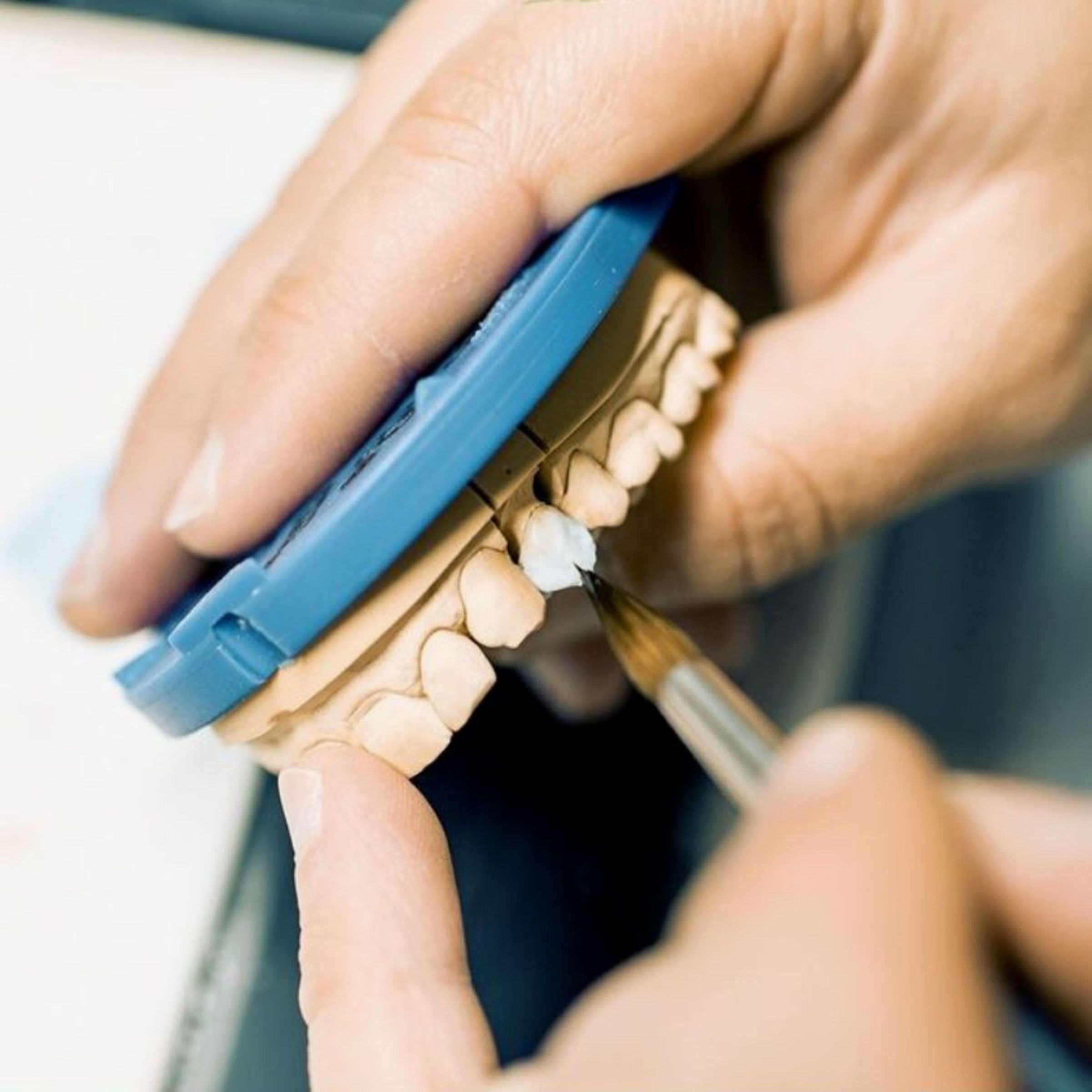
Dental veneers
Dental veneers are thin, custom-made shells attached to the front surface of teeth to adjust their colour, shape or size.
Read more
Next step
Your dentist assesses your situation during an examination and explains your options. You are welcome to request an appointment.
This page gives general information. It does not replace an examination by a dentist.