

Zirconia or porcelain crowns: how do they differ?
Zirconia and porcelain are two common ceramic materials used to make dental crowns. Zirconia is an exceptionally hard ceramic, whereas porcelain is a glass-based ceramic that closely mimics the way natural tooth enamel reflects light. Neither material is the single right choice for every tooth; your dentist will discuss which option suits your tooth after a clinical examination.
Last updated:
What is a crown?
A dental crown is a custom-made cap that fits completely over a damaged tooth. Your dentist may suggest a crown when a tooth is broken, has a very large filling, is weakened after root canal treatment or is heavily worn down. You can read more about the procedure on our zirconia and porcelain crowns page.
What is zirconia?
Zirconia is a strong ceramic material made from zirconium oxide. It is known for its high strength and resistance to cracking under heavy chewing forces. Traditional zirconia is white and relatively opaque (meaning less light passes through it), though newer types of zirconia are made more translucent to blend in more naturally with surrounding teeth.
What is porcelain?
Dental porcelain is a glass-based ceramic. Because it allows light to pass through in a way that looks very similar to natural tooth enamel, it is often chosen for teeth that show when you smile. Depending on the specific type and design, porcelain can be less resistant to chipping or cracking under heavy pressure than zirconia.
How do they differ?
- Appearance
- Porcelain can reproduce subtle, natural light and colour details. Modern translucent zirconia can also look very natural, and the final appearance depends heavily on the specific ceramic chosen and the skill of the dental technician.
- Strength
- Zirconia is generally tougher and more resistant to fracturing, whereas porcelain can chip more easily under heavy biting forces.
- Tooth preparation
- Both materials require the natural tooth to be shaped so the crown can fit over it. How much tooth structure needs to be trimmed depends on the material, the condition of your tooth and the crown design. Your dentist will explain what is needed in your case.
- Front or back teeth
- Natural translucency often matters most for visible front teeth, while strength is usually the priority for back molar teeth where chewing forces are highest. In many cases, a crown combines a strong zirconia core with an outer layer of porcelain.
- Bite
- If you tend to clench or grind your teeth, your dentist will consider how the crown material interacts with the teeth biting against it.
What does a dentist consider when choosing?
When recommending a crown material, your dentist looks at:
- the position of the tooth in your mouth and how your upper and lower teeth meet
- how much healthy natural tooth structure remains
- the shade and translucency of the neighbouring teeth
- the condition of your gums
- whether you clench or grind your teeth (bruxism)
- your personal preferences and your overall oral health
No single material suits every tooth or every patient. You and your dentist make the choice together following your examination.
What are the possible limits and risks?
Over time, any crown can chip, come loose or need replacing. The natural tooth underneath a crown can still develop decay around the gum line, and a crowned tooth may feel sensitive for a period after fitting. Thorough daily brushing, cleaning between your teeth and attending regular check-ups all help protect the tooth. How long a crown lasts depends on your oral health, your home care routine and regular dental visits.
Can a crown be repaired?
Minor chips on the surface of some crowns can be gently smoothed and polished, or repaired with a dental bonding material. Larger fractures usually mean the crown needs to be replaced. What is possible depends on the crown material, the extent of the damage and the health of the tooth underneath. Please let your dentist know if a crown ever feels rough, loose or different when you bite.
Do the materials feel different?
Once a crown is cemented in place and your dentist has fine-tuned your bite, most people cannot feel any difference between zirconia and porcelain during everyday eating and speaking. If a new crown feels slightly high or uneven when your teeth come together, tell your dentist so they can easily adjust and polish the biting surface.
When to see a dentist
If you have a cracked, heavily filled or worn tooth—or if an existing crown feels loose or chipped—please contact a dentist for an assessment. This guide provides general information only and does not replace a clinical examination by a dentist.
Related treatments
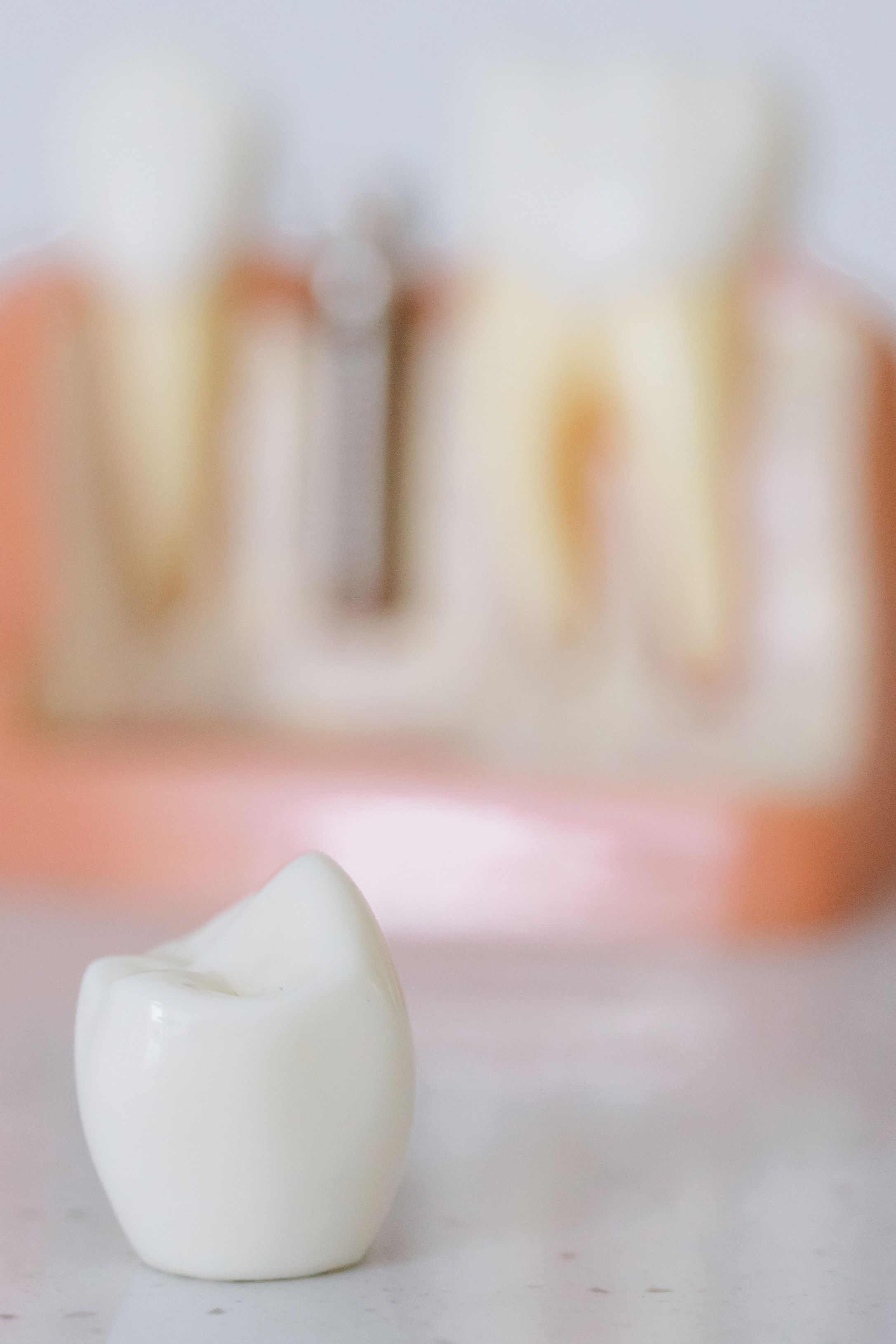
Zirconia and porcelain crowns
Dental crowns and bridges repair damaged teeth or replace missing ones. Zirconia and porcelain are strong, tooth-coloured ceramic materials commonly used to craft them.
Read more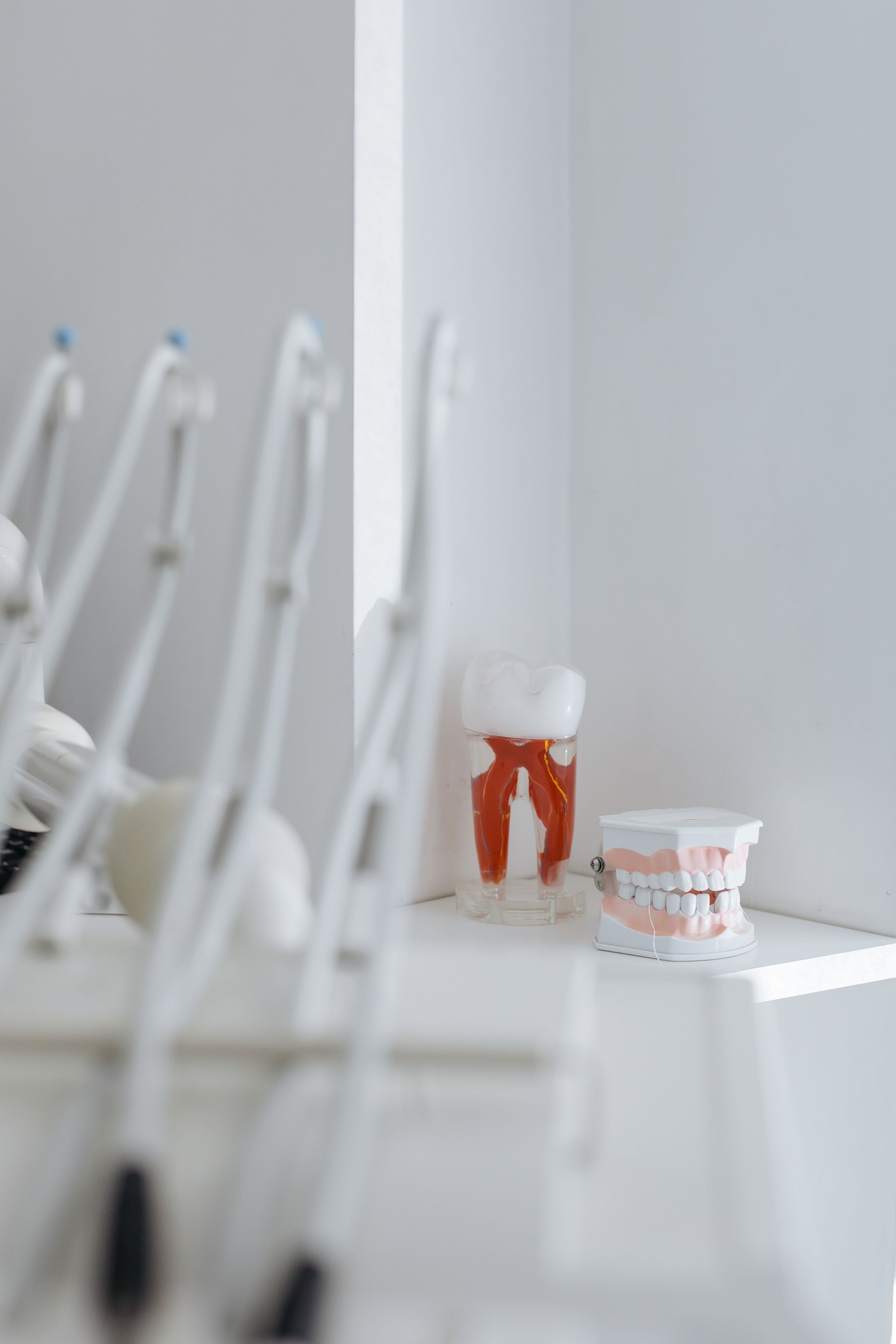
Root canal treatment
Root canal treatment removes inflamed or infected tissue from the inside of a tooth, cleans the internal channels and seals the space so the tooth can be kept.
Read more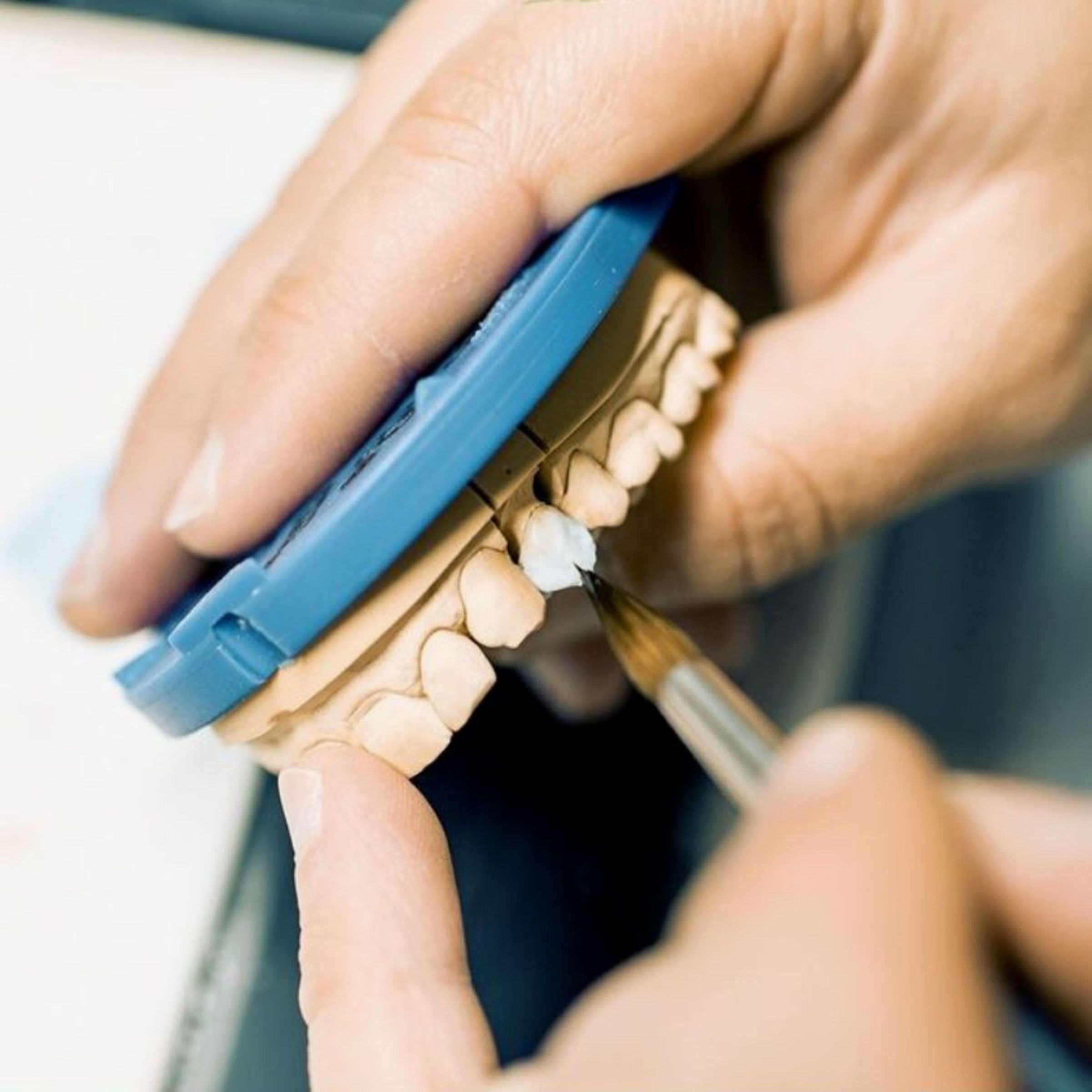
Dental veneers
Dental veneers are thin, custom-made shells attached to the front surface of teeth to adjust their colour, shape or size.
Read more
Plan your visit
Request an appointment for a time that suits you. We reply during our opening hours.
This page gives general information. It does not replace an examination by a dentist.