

Teeth whitening
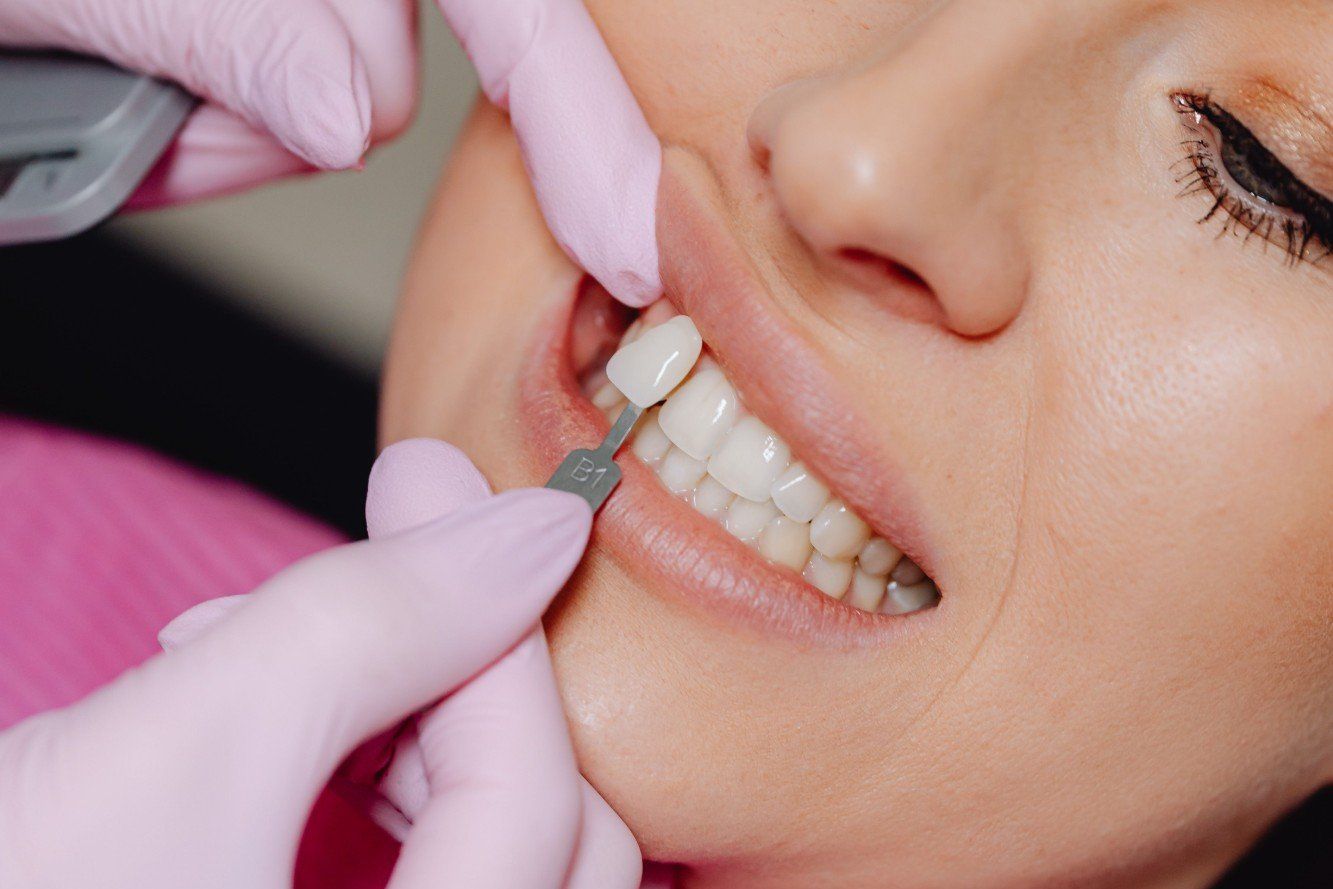
Teeth whitening is a dental treatment that uses a clinical bleaching agent to lighten the natural shade of your teeth.
Last updated:
What it is
It is normal for teeth to change colour gradually over the years. Strongly coloured food and drink (such as tea, coffee and red wine), tobacco use, natural ageing and certain medicines can all darken or stain tooth enamel.
Professional teeth whitening uses an active bleaching gel to break down stains on the enamel surface and within the deeper layers of the tooth, making the natural tooth shade lighter. However, whitening agents only work on natural tooth enamel—they do not change the colour of existing dental fillings, crowns or veneers.
Before any whitening takes place, your dentist examines your mouth to identify the cause of the discolouration and check that your teeth and gums are healthy. They will then explain how the whitening method works and which clinical products are used.
Who it may be suitable for
Your dentist may consider teeth whitening if:
- your natural teeth have darkened over time from ageing, food, drink or smoking
- your teeth and gums are healthy and free from untreated decay or active gum inflammation
- you have talked through realistic expectations of what whitening can and cannot achieve
Whitening is not suitable if you have untreated cavities, active gum disease or heavily worn enamel, as these need care first. It may also be less comfortable if your teeth are already very sensitive. If you are pregnant or breastfeeding, your dentist will usually recommend postponing whitening. In addition, if you have visible fillings, crowns or veneers on your front teeth, remember that these restorations will stay their original shade while your natural teeth lighten. Your dentist checks all of these details during your examination.
How the process works
- Examination. Your dentist checks the health of your teeth and gums and assesses the nature of the staining or discolouration.
- Preparation. If needed, your dentist carries out a professional clean to remove surface plaque and tartar, and treats any dental issues first.
- Plan. Your dentist explains the recommended whitening method, the product used and what sensations to expect.
- Applying the agent. Your gums and lips are protected with a barrier, and the whitening gel is applied to the tooth surfaces for the planned time.
- Aftercare advice. Your dentist explains how to look after your teeth and which foods, drinks and habits to avoid over the next few days.
- Follow-up. Your dentist may arrange a brief review visit to check your gums and the final shade.
The number of appointments or applications depends on your treatment plan and your teeth. How much a tooth lightens varies naturally from person to person.
Possible risks and things to consider
Every dental treatment carries certain considerations. Your dentist will discuss those that apply to you before you decide.
- Teeth often become temporarily sensitive to hot and cold food, drink or air during and shortly after whitening. This usually settles within a few days.
- If any whitening gel comes into contact with the gums or lips, it can cause temporary mild irritation or white patches that fade quickly.
- The degree of lightening varies between individuals and cannot be predicted as an exact shade in advance. Occasionally, natural variations in enamel can look slightly uneven at first.
- Whitening results are not permanent; your teeth will gradually pick up new stains over time depending on your diet, smoking habits and daily brushing.
- Existing composite fillings, porcelain crowns and veneers will not lighten and may need replacing afterwards if you want them to match your lighter natural teeth.
- Whitening teeth too frequently or beyond recommended instructions can irritate the tooth nerve and damage enamel or gums. Always follow your dentist’s guidance.
- Alternatives: a professional scale and polish to remove external surface staining, composite bonding, dental veneers, or leaving your teeth at their current natural shade.
After treatment
Your dentist will give you clear aftercare instructions. For the first few days after whitening, tooth enamel can absorb pigments more easily, so you will be advised to avoid dark-coloured food and drink (such as coffee, black tea, red wine, berries and dark sauces) as well as tobacco. Your dentist will tell you how long to follow these precautions. If your teeth feel sensitive, brush gently with lukewarm water and a toothpaste made for sensitive teeth. Please contact us if you have any questions or if sensitivity persists.
Frequently asked questions
Is teeth whitening suitable for me?
Suitability depends on the health of your teeth and gums, whether you have restorations on your front teeth and the underlying cause of the discolouration. Your dentist will assess this during an examination.
How many visits will I need?
This depends on the whitening method chosen and your treatment plan. Your dentist will give you an estimate after examining your teeth.
Will I feel pain during treatment?
Some people notice temporary twinges or sensitivity during or after the procedure. Your dentist will explain what you may feel and how sensitivity can be managed before you begin.
How long do the results last?
There is no fixed duration. How long your lighter shade lasts depends on what you eat and drink, whether you smoke and your daily oral hygiene routine. Your dentist will explain how to help maintain your tooth colour.
What are the alternatives?
Your dentist can talk you through alternatives such as a professional clean to lift surface stains, composite bonding or veneers, as well as the option of leaving your teeth as they are. Each approach has benefits and limitations.
Related treatments
Aesthetic dentistry
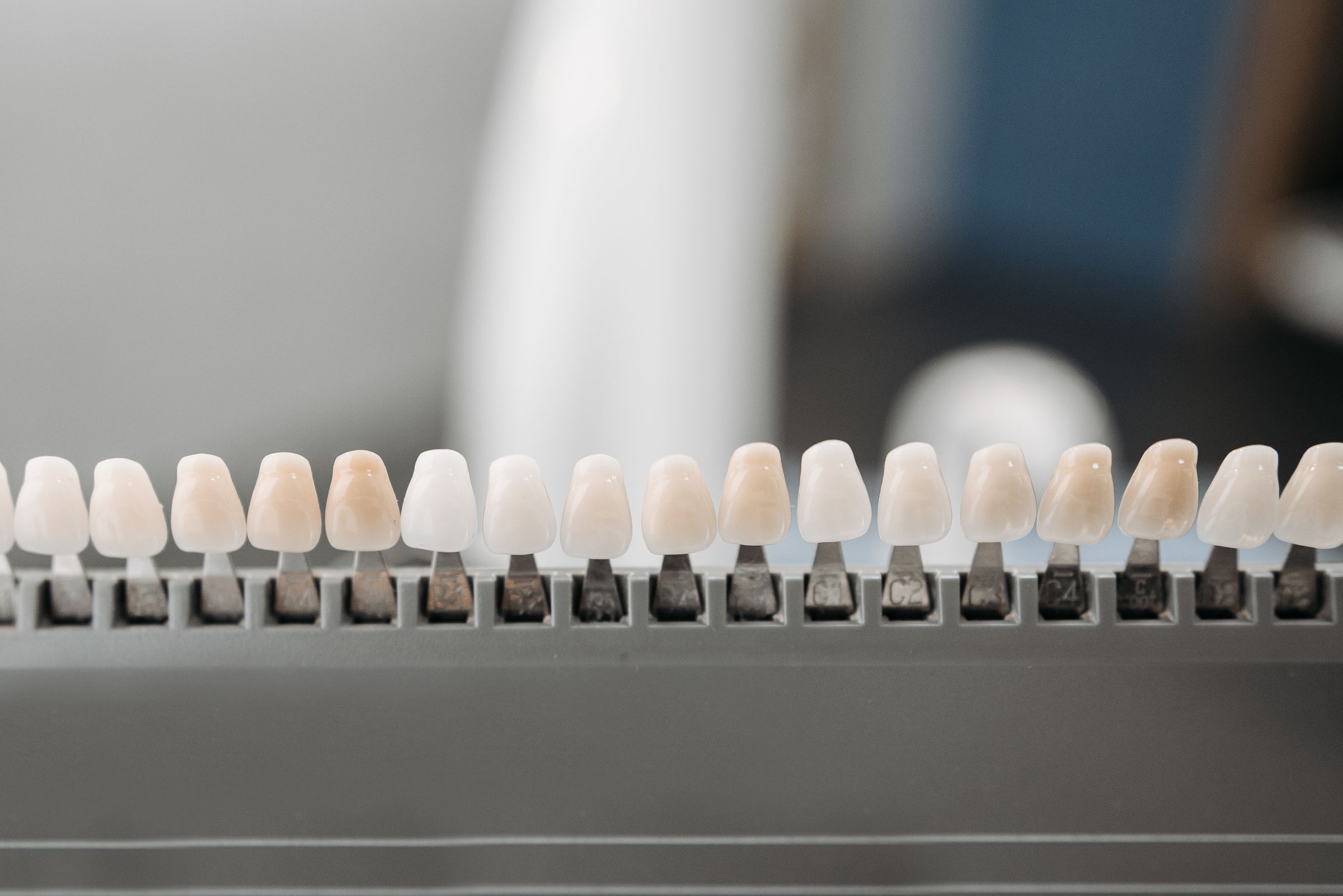
Aesthetic dentistry covers treatments designed to adjust the colour, shape or alignment of your teeth, such as whitening, composite bonding and veneers.
Read more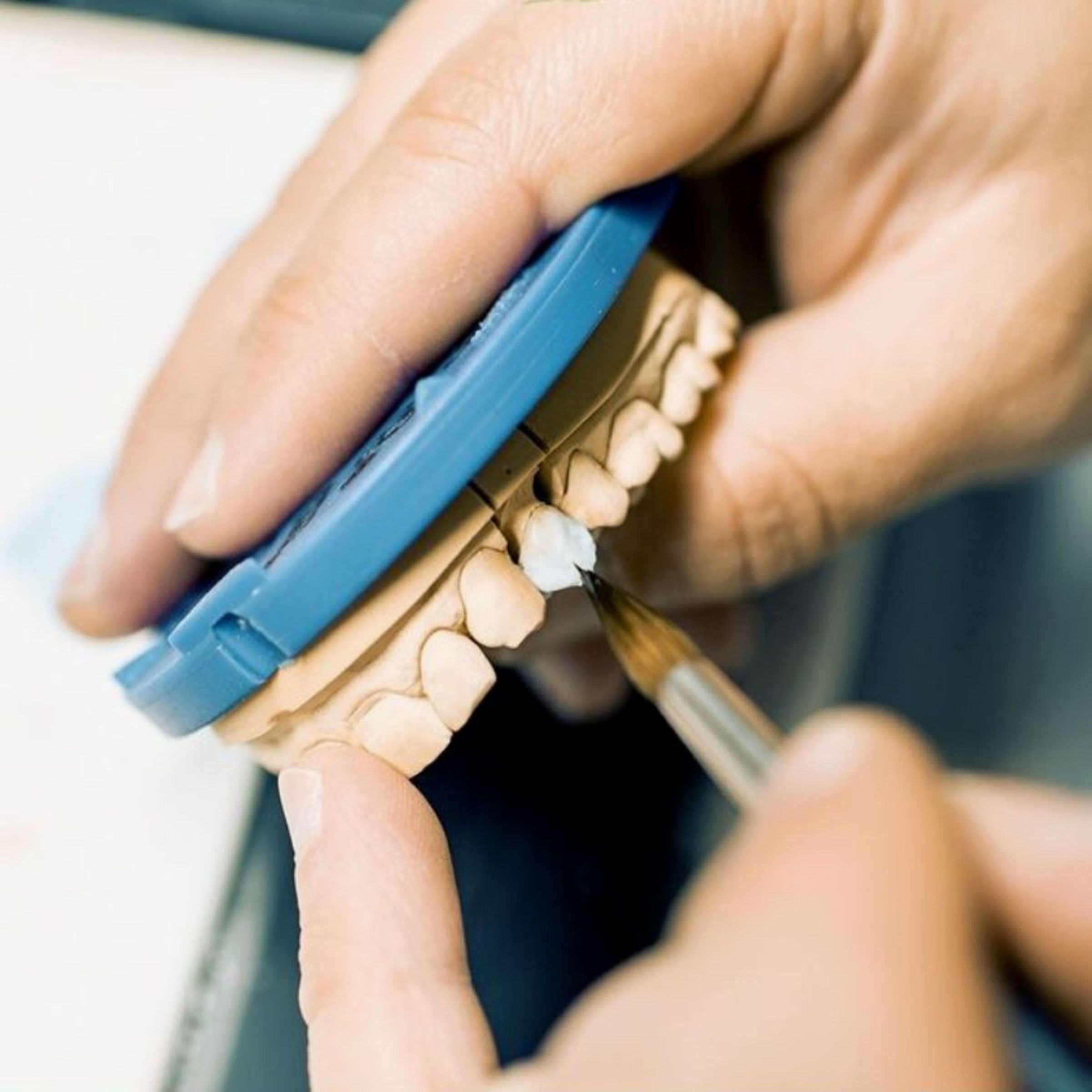
Dental veneers
Dental veneers are thin, custom-made shells attached to the front surface of teeth to adjust their colour, shape or size.
Read more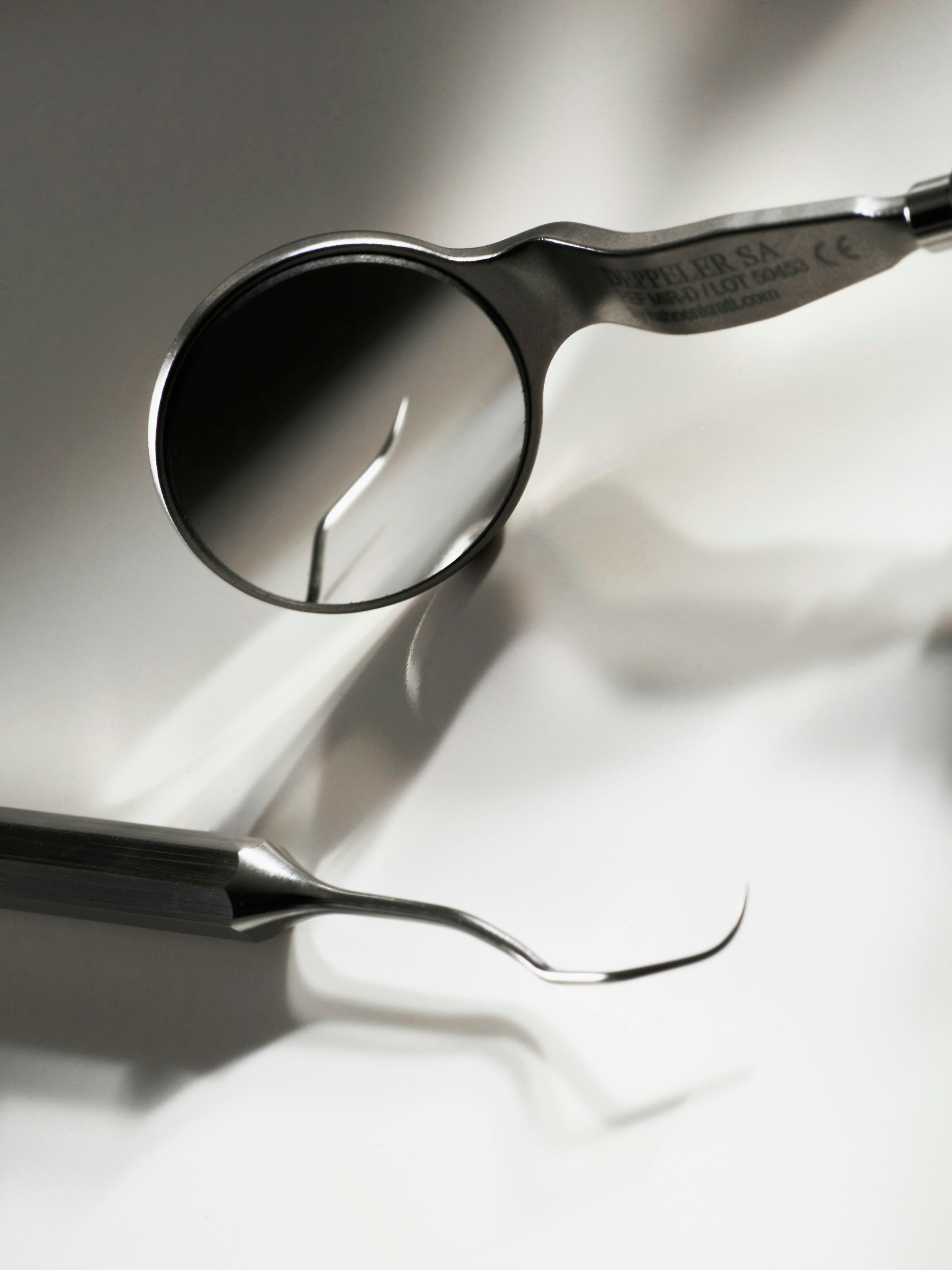
Check-ups and preventive care
A dental check-up is a regular examination of your teeth, gums and mouth. It often includes a professional clean and practical advice on how to care for your teeth at home.
Read more
Next step
Your dentist assesses your situation during an examination and explains your options. You are welcome to request an appointment.
This page gives general information. It does not replace an examination by a dentist.