

Aesthetic dentistry
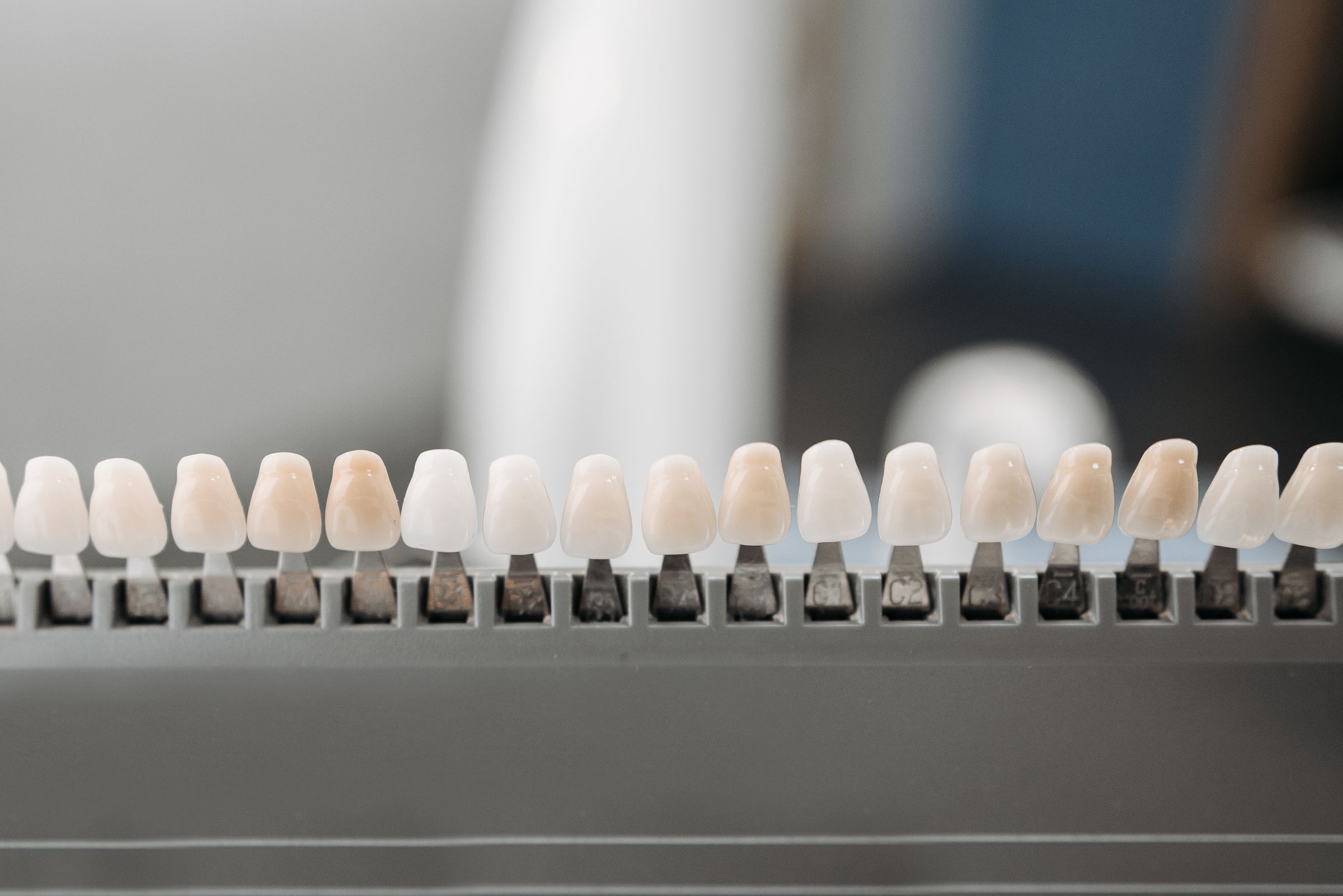
Aesthetic dentistry covers treatments designed to adjust the colour, shape or alignment of your teeth, such as whitening, composite bonding and veneers.
Last updated:
What it is
The word aesthetic relates to appearance. Aesthetic dentistry brings together various dental procedures that focus on how your teeth and smile look. Teeth whitening uses a bleaching agent to lighten the natural shade of your teeth. Composite bonding uses a tooth-coloured resin material that your dentist applies directly to a tooth and shapes by hand. Veneers are thin custom-made shells bonded to the front surfaces of the teeth, while orthodontic treatment moves teeth into a new position. Before discussing any aesthetic options, your dentist always checks that your teeth and gums are healthy. Each of these procedures has its own dedicated page on our website where you can read more.
Who it may be suitable for
Your dentist may discuss aesthetic dental options with you if you are concerned about:
- the colour or staining of your teeth
- a chipped, uneven or worn tooth edge
- the overall shape or size of certain teeth
- small spaces or gaps between your teeth
- teeth that are crowded or slightly out of alignment
Aesthetic procedures may not be suitable if you have untreated tooth decay or active gum disease. Any underlying dental health issues are normally treated before aesthetic work begins. Your dentist will also explain clearly what a particular treatment can and cannot change during your examination.
How the process works
- Conversation. Your dentist asks what you would like to change about your teeth and discusses your goals.
- Examination. Your dentist examines your teeth, gums and bite. Oral health always comes before appearance.
- Options. Your dentist explains which treatments may suit your mouth, along with the advantages and limits of each.
- Plan. Together with your dentist, you decide which treatment path to follow—or whether to leave your teeth as they are.
- Treatment. The agreed procedure is carried out over one or more appointments.
- Follow-up. Your dentist gives you tailored aftercare instructions and arranges any necessary review visits.
The number of appointments you need depends on your individual treatment plan. Your dentist will give you an estimate after completing your examination.
Possible risks and things to consider
Every dental procedure carries potential risks. Your dentist will explain the specific risks that apply to you before you make a decision.
- Certain treatments require removing a thin layer of natural tooth enamel (the hard outer shell), which is irreversible.
- Your teeth may feel sensitive to hot and cold food or drink for a period of time.
- Restorative materials can pick up stains, chip or wear down over the years, and may eventually need repairing or replacing.
- Results depend on the starting condition of your own teeth, and appearance is always personal. Because there is a possibility that an outcome may not match what you pictured, it is important to talk openly with your dentist about your expectations beforehand.
- All aesthetic dental work requires thorough daily cleaning at home and regular dental check-ups.
- Alternatives include choosing a different aesthetic procedure, opting for a simpler conservative approach, or having no treatment at all. Your dentist will talk you through these choices.
After treatment
Your dentist will give you clear aftercare advice suited to the specific treatment you have received. Follow these instructions carefully and attend your scheduled check-ups. Please contact us if you have any questions after your visit.
Frequently asked questions
Is aesthetic treatment suitable for me?
This depends on the health of your teeth and gums, as well as what you would like to change. Your dentist assesses this during a clinical examination.
How do I know which treatment may suit me?
Your dentist examines your mouth and listens to what you hope to achieve. They will then explain the suitable options, including the advantages and limits of each approach.
How many visits will I need?
The number of visits depends on your individual treatment plan. Your dentist will give you an estimate after your examination.
Will I feel pain during treatment?
Before any treatment begins, your dentist will explain what you may feel and what to expect during the procedure.
What are the alternatives?
Your dentist will discuss alternative treatments with you, as well as the option of not having treatment. Every option has its own advantages and limits.
Related treatments
Dental veneers
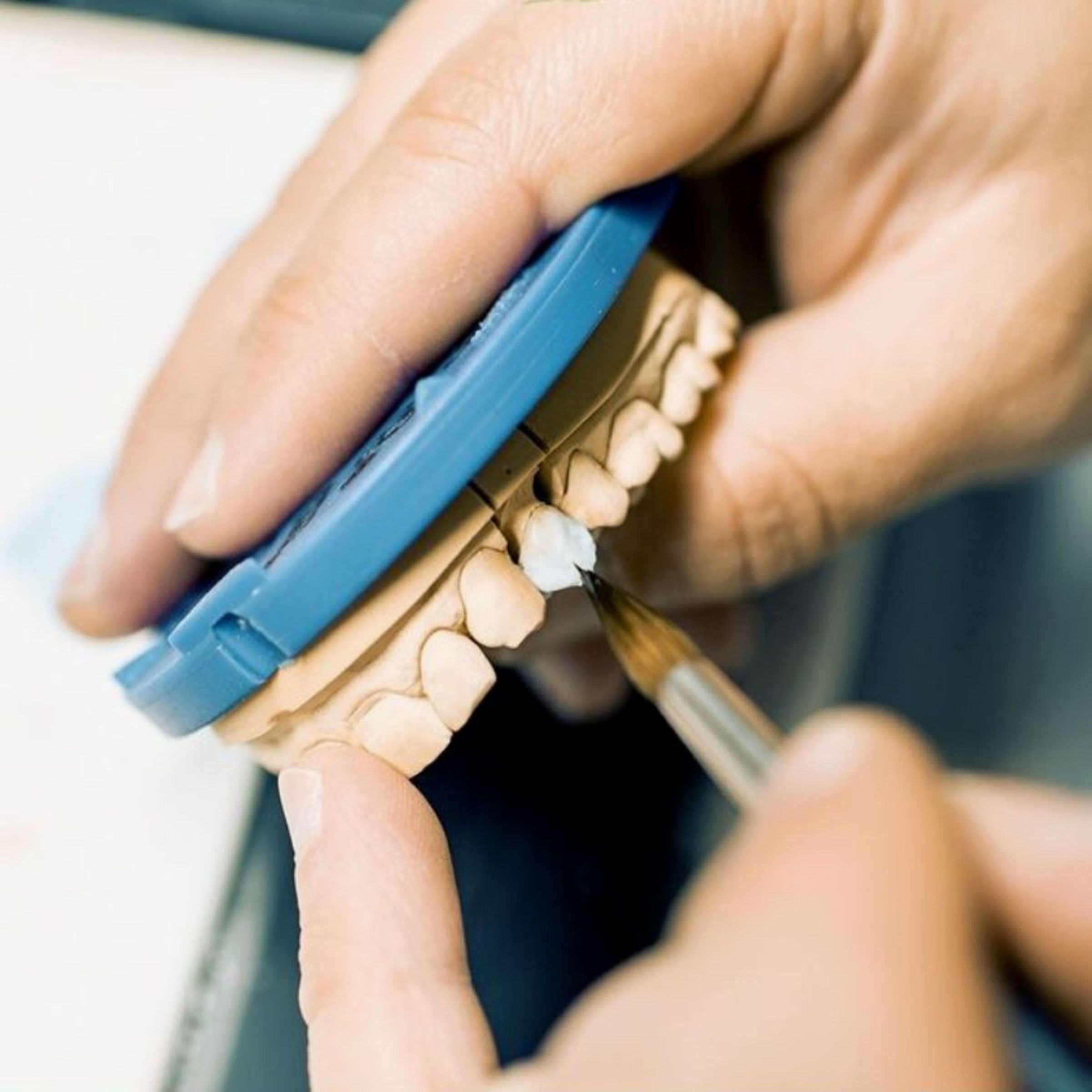
Dental veneers are thin, custom-made shells attached to the front surface of teeth to adjust their colour, shape or size.
Read more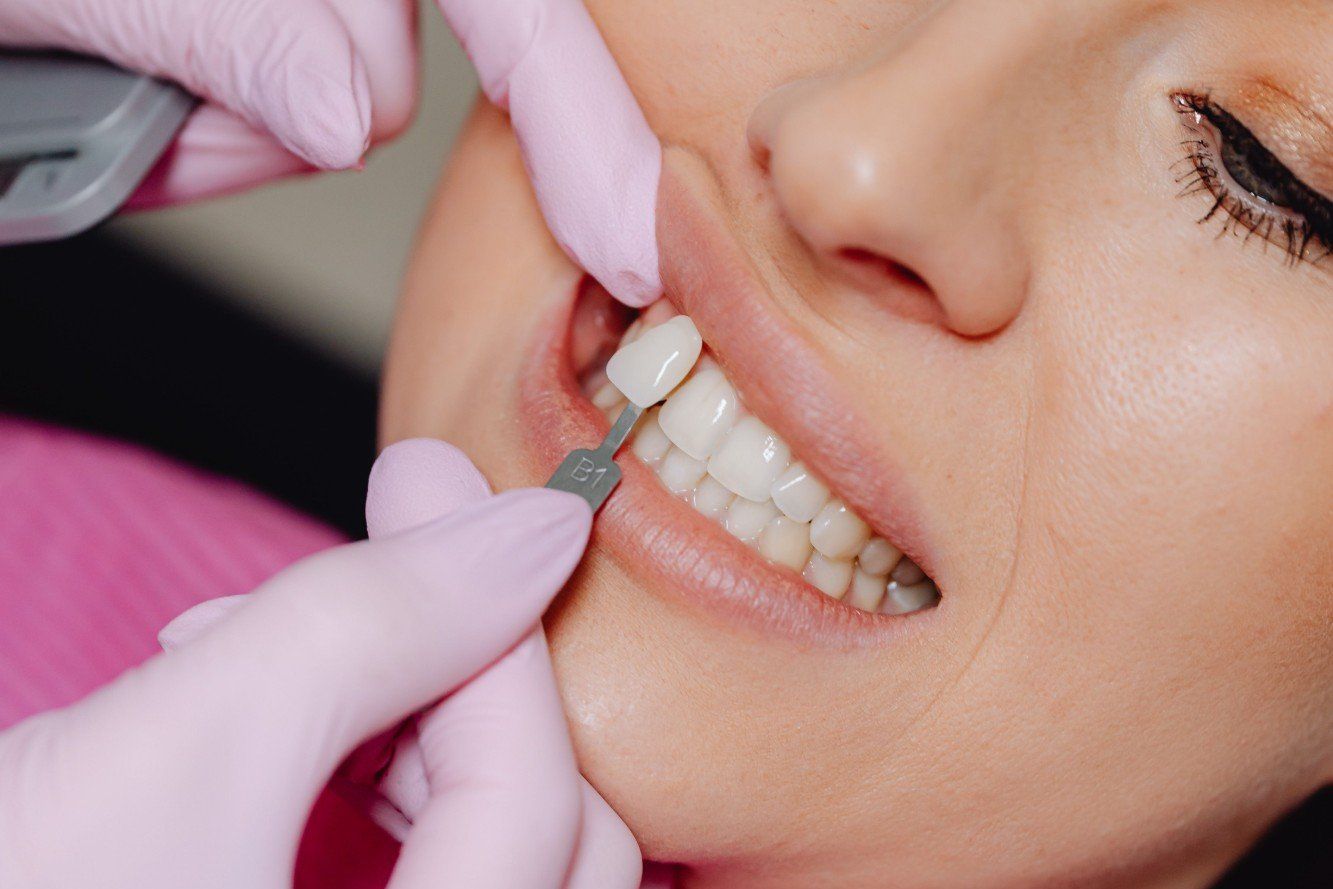
Teeth whitening
Teeth whitening is a dental treatment that uses a clinical bleaching agent to lighten the natural shade of your teeth.
Read more
Orthodontics and clear aligners
Orthodontic treatment guides teeth into new positions over time using fixed braces or removable clear aligners.
Read more
Next step
Your dentist assesses your situation during an examination and explains your options. You are welcome to request an appointment.
This page gives general information. It does not replace an examination by a dentist.