

Gum (periodontal) treatment
Gum (periodontal) treatment cleans and cares for the gums and the supporting tissues around your teeth when they become inflamed or infected.
Last updated:
What it is
The word “periodontal” means “around the tooth”. Your gums and the underlying jawbone work together to hold your teeth securely in place. Gum disease usually starts as gingivitis—a mild inflammation where the gums become red, slightly swollen and bleed easily when brushed. If left untreated, gingivitis can progress in some people to periodontitis, a deeper infection that damages the tissues and bone supporting the teeth.
The goal of gum treatment is to bring this inflammation under control and prevent further loss of support. Treatment typically starts with scaling, which removes plaque and tartar from above and below the gumline. Plaque is a soft, sticky film of bacteria, while tartar is plaque that has hardened onto the tooth over time. Your dentist may also carry out root planing—smoothing the root surfaces under the gum to remove bacteria and help the gum heal more closely against the tooth. Alongside clinical cleaning, your dentist shows you how to look after your teeth and gums effectively at home. If your gums need additional care beyond deep cleaning, your dentist will explain your options.
Who it may be suitable for
Your dentist may recommend gum treatment if you notice:
- gums that bleed when you brush or clean between your teeth
- red, puffy or tender gums
- gums that have pulled back from your teeth (see our page on gum recession)
- ongoing bad breath or an unpleasant taste
- teeth that feel slightly loose or have shifted position
During your examination, your dentist uses a fine measuring instrument (a periodontal probe) to check the tiny spaces between your gums and teeth, and may recommend x-rays to check the bone levels. Because smoking and conditions such as diabetes can affect gum health, please tell your dentist about your medical history and any medicines you take. Your dentist will advise whether routine cleaning is sufficient or if deeper periodontal care is needed.
How the process works
- Examination. Your dentist checks your gums, measures the spaces around each tooth and takes x-rays if needed.
- Explanation and plan. Your dentist talks you through the findings and agrees on a tailored treatment plan with you.
- Home-care instruction. You receive practical guidance on daily brushing and cleaning between your teeth suited to the shape of your mouth.
- Cleaning treatment. Your dentist removes plaque and tartar and smooths the root surfaces where needed. Depending on your gums, this may be completed in one visit or spread across several appointments.
- Review. After a healing period chosen by your dentist, your gums are re-examined to see how they have responded.
- Maintenance. Regular supportive visits help keep your gums healthy and prevent inflammation from returning.
The number of appointments depends on your individual treatment plan. Your dentist will give you an estimate after your initial examination.

Possible risks and things to consider
Every dental procedure involves certain considerations. Your dentist will explain those that apply to you before you decide how to proceed.
- Your gums may feel slightly tender or bleed a little for a few days after deep cleaning.
- Your teeth may feel more sensitive to hot and cold food or drink for a short period.
- As gum swelling settles and the tissue becomes healthier and firmer, the gumline can shrink back slightly, making the teeth look a little longer.
- Periodontal cleaning stops active inflammation, but it cannot regrow jawbone that has already been lost.
- Gum disease can flare up again over time, particularly if daily cleaning at home is inconsistent or if you smoke. Ongoing home care and regular maintenance visits are essential.
- Teeth that have already lost significant bone support and become very loose may require further treatment or, in some cases, extraction.
- Alternatives: you can choose to have a standard surface clean only, or decide against treatment. Without treatment, gum inflammation and bone loss can continue to progress.
After treatment
It is normal for your gums to feel slightly sore for a few days after treatment. Your dentist will advise you on gentle brushing, cleaning between your teeth and whether a mouth rinse is helpful. Follow this guidance carefully and attend your scheduled review visits. Please contact us if you have any questions or if soreness increases.
Frequently asked questions
Is gum treatment suitable for me?
This depends on the health of your gums and your general medical history. Your dentist will assess your gums during an examination and explain the most appropriate care.
How many visits will I need?
The number of visits depends on the extent of the gum inflammation and your treatment plan. Your dentist will give you an estimate after examining your mouth.
Will I feel pain during treatment?
Before starting, your dentist will explain what you may feel and how your comfort will be managed during the cleaning.
Why do my gums bleed?
Bleeding gums are most commonly a sign of gum inflammation caused by plaque build-up, though other factors can also play a part. Your dentist will examine your gums to find the cause.
Can gum disease come back?
Yes, gum inflammation can return if plaque builds up again. Thorough daily cleaning at home and attending regular check-ups help keep your gums stable and allow your dentist to spot any early changes.
What are the alternatives?
Your dentist will discuss the different options with you, including standard cleaning versus deeper root cleaning, as well as what to expect if you choose not to have treatment. Each option has benefits and limitations.
Related treatments

Check-ups and preventive care
A dental check-up is a regular examination of your teeth, gums and mouth. It often includes a professional clean and practical advice on how to care for your teeth at home.
Read more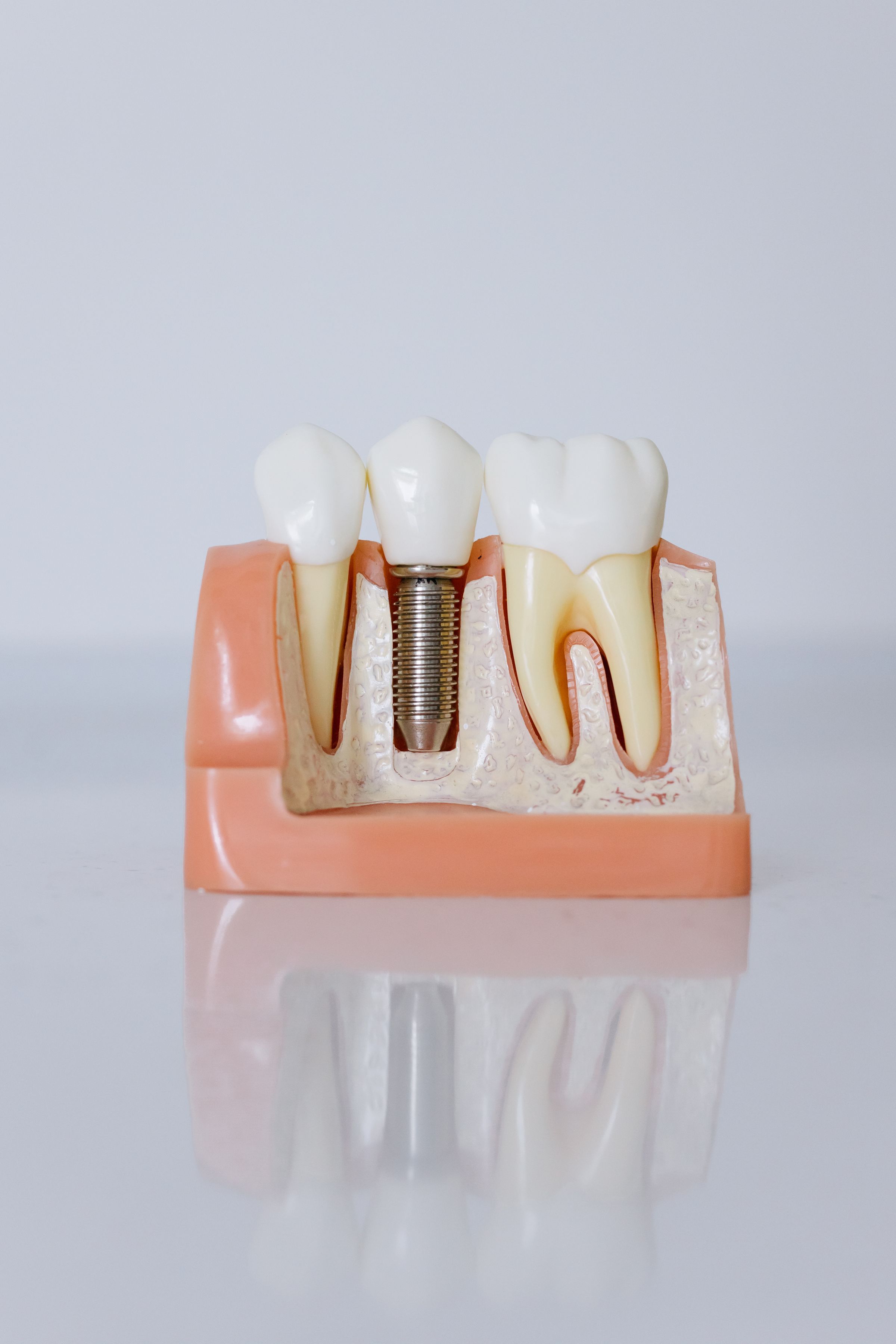
Dental implants
A dental implant is a small post, usually made of titanium, that is placed into the jawbone to support a replacement tooth.
Read more
Gum recession
Gum recession occurs when the gum tissue pulls back from a tooth, leaving more of the tooth—and sometimes its root—exposed.
Read more
Next step
Your dentist assesses your situation during an examination and explains your options. You are welcome to request an appointment.
This page gives general information. It does not replace an examination by a dentist.