
Dental implant aftercare: the first days and beyond
After a dental implant is placed, the healing area requires gentle cleaning, soft foods for a period of time and regular follow-up visits. Always follow the specific instructions given by your own dentist first, as they are tailored to your individual procedure.
Last updated:
What is normal in the first days?
It is common to experience some swelling, minor bruising, soreness and light bleeding for a few days after implant surgery. How noticeable these symptoms are varies from person to person. Before you leave the clinic, your dentist will explain what you may feel and what to expect as the area heals. If swelling or discomfort worsens rather than gradually settling down, please contact the clinic.
How should I clean the area?
- Brush your remaining teeth as normal, taking extra care around the surgical site.
- Follow your dentist’s instructions on when and how to start cleaning the implant site itself. They may recommend using an extra-soft toothbrush or a specific mouth rinse.
- Avoid touching the healing area with your fingers or tongue.
- Once the gum has healed and your replacement tooth is fitted, clean around the implant thoroughly every day. If plaque is left to build up around an implant, it can cause inflammation of the surrounding gum and bone—a condition known as peri-implantitis.
What can I eat and drink?
Your dentist will usually recommend sticking to soft foods and cool or lukewarm drinks for a period after surgery. Avoid chewing directly on the implant area until your dentist advises that it is ready. Very hot drinks, hard or sticky foods and alcohol should also be avoided during the initial healing phase. Ask your dentist for dietary guidance tailored to your treatment.
Does smoking matter?
Yes. Smoking restricts blood flow, which can slow down healing and increase the risk of early infection or longer-term complications with the implant. If you smoke, please let your dentist know. They may advise you to stop smoking before and after your procedure to support healing.
What about pain relief?
Ask your dentist, doctor or pharmacist which pain relief medication is suitable for you. Be sure to mention any other regular medicines you take as well as any allergies. Never start or stop taking prescribed medication unless a doctor or dentist advises you to do so.
Why are check-ups important?
Follow-up appointments allow your dentist to monitor how your gum and jawbone are healing, check the fit of your replacement tooth and how your teeth meet when you bite, and show you how to clean around your implant. How often you need check-ups depends on your individual oral health. Attending regular dental check-ups remains important long after the implant has healed.
What are signs to contact the clinic about?
Please get in touch with us if you notice:
- swelling or pain that increases after the first few days rather than improving
- bleeding that continues without slowing down
- a fever, an unpleasant taste in your mouth or pus near the implant site
- an implant or replacement tooth that feels loose
- a noticeable change in how your teeth come together when you bite
If you experience heavy bleeding that you cannot control, or facial swelling that makes it difficult to breathe or swallow, go to the nearest hospital emergency department or call 112.
How long does healing take?
The gum tissue around the surgical site often settles within a matter of days to a few weeks. However, the jawbone takes longer to grow onto and bond with the implant surface, and this healing time varies from person to person. Your dentist will explain the expected timeline for your case and let you know when your final replacement tooth can be fitted. Until then, follow your cleaning and dietary instructions carefully and attend your scheduled check-ups.
When to see a dentist
If you have any questions about caring for your implant, or if you are unsure whether a symptom is normal, please contact your dentist. You can read more about the procedure itself on our dental implants page. This guide provides general information only and does not replace a clinical examination by a dentist.
Related treatments
Dental implants
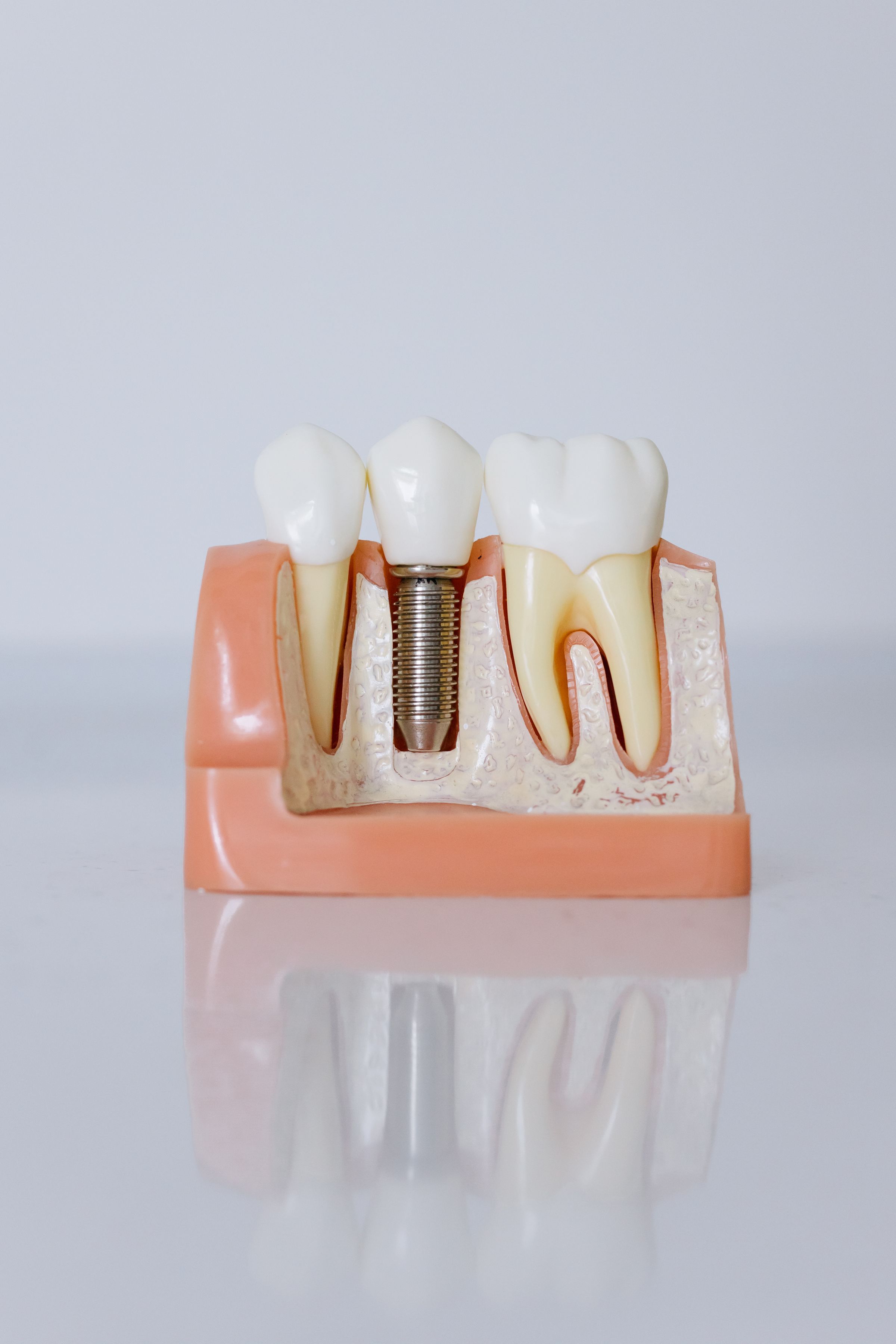
A dental implant is a small post, usually made of titanium, that is placed into the jawbone to support a replacement tooth.
Read more
Gum (periodontal) treatment
Gum (periodontal) treatment cleans and cares for the gums and the supporting tissues around your teeth when they become inflamed or infected.
Read more
Check-ups and preventive care
A dental check-up is a regular examination of your teeth, gums and mouth. It often includes a professional clean and practical advice on how to care for your teeth at home.
Read more
Plan your visit
Request an appointment for a time that suits you. We reply during our opening hours.
This page gives general information. It does not replace an examination by a dentist.