

Emergency dental care
Emergency dental care addresses sudden problems affecting your teeth, gums or mouth, such as severe toothache, a broken tooth or an unexpected dental injury.
Last updated:

What it is
A dental emergency is an acute issue involving a tooth, the gums or the surrounding tissues of the mouth. Common examples include severe tooth pain, a fractured or chipped tooth, or an adult tooth that has been knocked out. It can also include a lost filling or crown causing discomfort, gum swelling, or a minor injury to the lips, tongue or jaw.
During an emergency visit, the dentist examines the affected area and focuses on relieving pain and stabilising the tooth where possible. The dentist then either treats the underlying cause or plans the next stage of care. Often, the first visit provides initial relief and stabilisation, with follow-up appointments needed to complete the treatment. Your dentist will explain what they find and talk you through your options.
Who it may be suitable for
Emergency dental care may help if you experience:
- severe or sudden toothache
- a broken, chipped or loosened tooth
- a tooth that has been completely knocked out
- a lost filling, crown or bridge that leaves the tooth painful or exposed
- localized gum swelling or a painful sore in the mouth
- a cut or injury to your lips, tongue or gums
Certain symptoms require hospital medical care rather than a dental clinic. Please go to the nearest hospital emergency department or call 112 if you experience:
- a serious accident or any injury involving the head
- heavy bleeding that does not slow down with firm pressure
- swelling that spreads across your face, towards your eye or down your neck
- any difficulty breathing or swallowing
- a suspected fractured jaw
How the process works
- Contact us. Call the clinic during our opening hours. Outside normal hours, we review urgent enquiries on an individual basis—please call or send a message on WhatsApp describing what has happened.
- Describe the problem. Let us know how the problem started, where you feel pain and whether you have any bleeding or swelling. We will ask a few questions and let you know what arrangements we can make.
- Examination. Your dentist examines the painful or injured area and takes an x-ray if needed.
- Treatment of the problem. Your dentist provides care to address the cause or stabilise the damaged tooth. Before starting, they will explain what you may feel and what the procedure involves.
- Plan and follow-up. If further care is required to complete the repair, your dentist will explain the options and schedule a follow-up visit.
While you are waiting to see a dentist, these simple first-aid steps may help:
- If an adult tooth is knocked out, pick it up carefully by the crown (the white chewing part), not the root. Do not scrub or scrape the root. Keep the tooth moist—for instance, in a small container of cold milk—and bring it with you to the clinic.
- For bleeding inside the mouth, press a clean piece of gauze or a clean cloth gently but firmly over the area.
- For facial swelling, hold a cold cloth or covered ice pack against the outside of your cheek.
Possible risks and things to consider
Every dental procedure involves certain risks and limitations. Your dentist will explain those relevant to your situation before treatment begins.
- An emergency appointment often focuses on easing pain or stabilising a damaged tooth, meaning further appointments may be needed to finish the treatment.
- Pain-relieving measures alone do not cure the underlying cause. Your dentist will explain what is causing the problem and how it can be treated.
- An injured tooth can change in the weeks or months following an accident—for example, it may darken in colour or develop an infection in the nerve. Attending follow-up visits helps your dentist monitor the tooth.
- Sometimes a knocked-out or badly fractured tooth cannot be saved; this depends on the nature of the injury and the condition of the tooth and bone.
- If any medicine is needed, your dentist will prescribe it after checking your medical history and any allergies.
- Alternatives: if your symptoms are mild, you may prefer to wait for a routine appointment. Give us a call to describe what you are experiencing, and we will advise what we can arrange.
After treatment
Your dentist will give you clear aftercare guidance, including advice on eating, keeping the area clean and taking any prescribed medicines. Follow these instructions and attend your planned follow-up appointments. Please contact us if you have questions or if your pain or swelling changes.
Frequently asked questions
What counts as a dental emergency?
A dental emergency is a sudden problem affecting a tooth, your gums or your mouth—such as severe pain, a broken tooth or a dental injury. If you are unsure whether you need an urgent visit, please call us and describe your symptoms.
Can I contact you outside opening hours?
Outside our regular opening hours, we assess urgent situations individually. Please call us or send a WhatsApp message explaining what has happened.
What should I do if a tooth is knocked out?
Hold the tooth only by the crown (not the root) and avoid scrubbing it. Keep it moist—such as in a small amount of cold milk—and contact us straight away. Your dentist will examine your mouth and explain whether the tooth can be replaced.
Will I need more treatment afterwards?
Quite often, yes. The initial emergency visit may focus on relieving pain, dressing a tooth or stabilising an injury. After examining you, your dentist will explain whether further treatment is needed.
When should I go to hospital instead?
If you have a serious head or facial injury, heavy bleeding that will not stop, swelling spreading to your face, eye or neck, or any trouble breathing or swallowing, please call 112 or go to the nearest hospital emergency department.
Related treatments
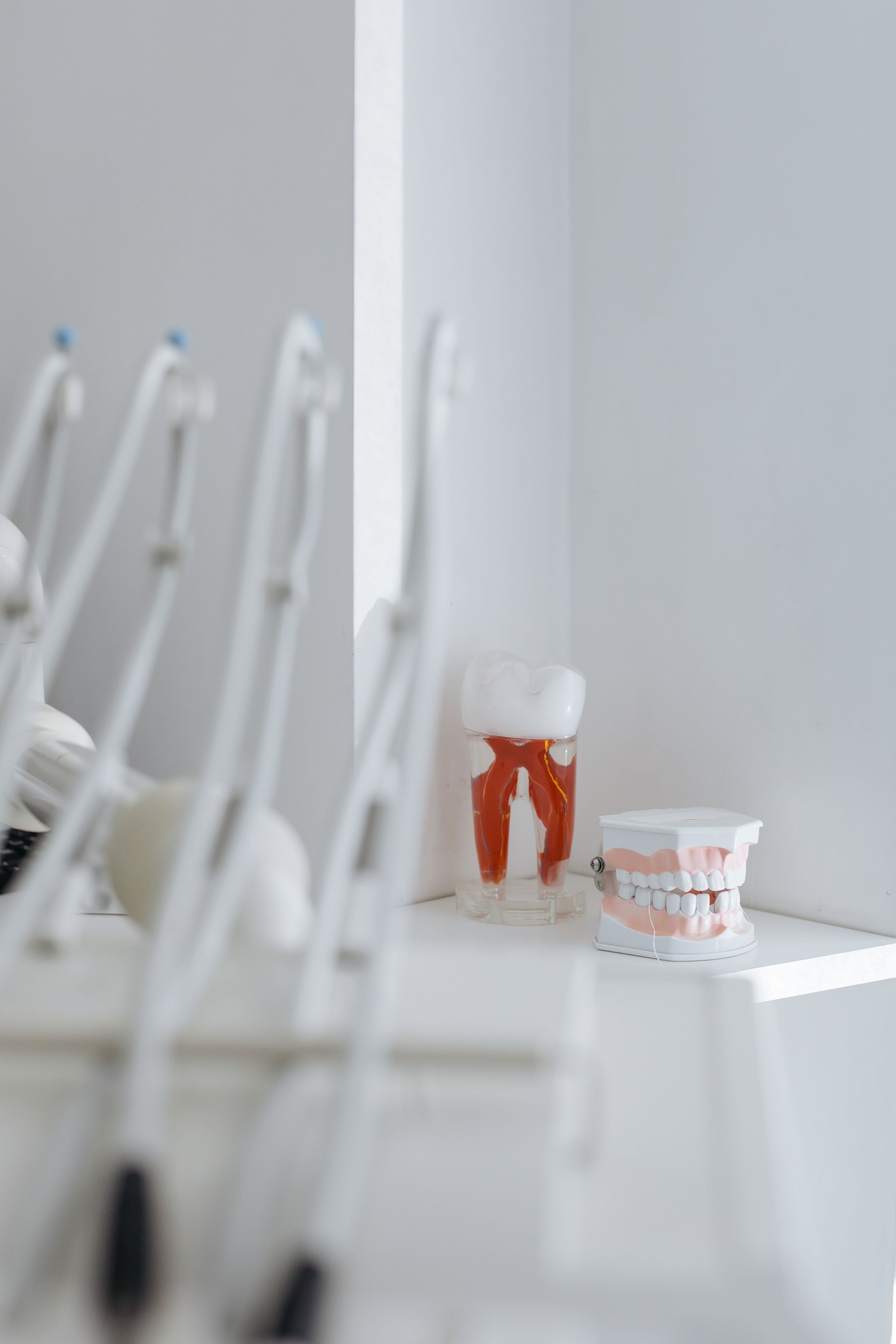
Root canal treatment
Root canal treatment removes inflamed or infected tissue from the inside of a tooth, cleans the internal channels and seals the space so the tooth can be kept.
Read more
Tooth extraction and oral surgery
Tooth extraction and oral surgery cover the removal of damaged or problematic teeth—including wisdom teeth—along with other minor surgical procedures inside the mouth.
Read more
Check-ups and preventive care
A dental check-up is a regular examination of your teeth, gums and mouth. It often includes a professional clean and practical advice on how to care for your teeth at home.
Read more
Next step
Your dentist assesses your situation during an examination and explains your options. You are welcome to request an appointment.
This page gives general information. It does not replace an examination by a dentist.