

After a tooth extraction: healing, care and warning signs
After a tooth is removed, a blood clot naturally forms in the empty socket (the space left in the bone). Protecting this clot helps the area heal properly, so most aftercare advice focuses on keeping it undisturbed. Always follow the specific instructions given by your own dentist first.
Last updated:
What happens in the socket after extraction?
Shortly after the tooth is removed, the socket fills with a protective blood clot. Over the following weeks, the gum tissue gradually closes over the space and new bone forms underneath. It is common to experience some light bleeding, soreness and swelling for a few days. How long these symptoms last varies from person to person.
How do I look after the area?
- If your dentist gives you a gauze pad to bite on, maintain gentle, steady pressure on it for the recommended time.
- Avoid rinsing vigorously, spitting forcefully or drinking through a straw on the first day (or for as long as advised), as the suction can dislodge the blood clot.
- Keep your tongue and fingers away from the extraction site.
- Brush your remaining teeth as normal, taking care around the healing area as instructed by your dentist. After the first day or so, dentists often suggest gently rinsing with warm salt water.
- Avoid smoking and drinking alcohol while your mouth heals. Smoking slows down healing and increases the risk of a painful condition called dry socket.
- Rest and avoid strenuous exercise for a short period as advised by your dentist, since physical exertion can restart bleeding.
What can I eat and drink?
Stick to soft foods and cool or lukewarm drinks at first. Avoid anything very hot, hard, crunchy or spicy, and try to chew on the opposite side of your mouth. You can gradually return to your normal diet as the area begins to feel more comfortable.
What about swelling and pain?
Any facial swelling usually reaches its peak within the first few days before gradually settling down. Your dentist may suggest holding a cold pack wrapped in a cloth against your cheek. Ask your dentist, doctor or pharmacist which pain relief medication is suitable for you. Never start or stop taking prescribed medicine unless a doctor or dentist advises you to do so.
What is dry socket?
Dry socket occurs when the protective blood clot comes loose or dissolves before the gum has healed, leaving the underlying bone exposed to air and food. Signs of dry socket may include:
- pain that worsens rather than improves, typically starting a few days after the extraction
- aching pain that spreads towards your ear, eye or jaw on the same side
- an unpleasant taste in your mouth or bad breath
- a socket that looks empty rather than dark with a blood clot
If you notice any of these signs, please contact the clinic so your dentist can examine the socket and clean and dress the area.
When to contact a dentist
Please get in touch with a dentist if:
- bleeding does not slow down after you have applied gentle pressure with gauze for the advised amount of time
- swelling continues to increase after the third day, or you develop a fever
- you notice pus coming from the socket, or a bad taste that does not go away
- you experience numbness or tingling in your lip, chin or tongue that is not wearing off
- you develop possible signs of dry socket
- a stitch comes loose early, or you have any concerns about how the area is healing
If you experience heavy bleeding that you cannot control, or swelling that makes it difficult to breathe or swallow, go to the nearest hospital emergency department or call 112.
More information
You can read more about how extractions are carried out on our pages covering tooth extraction and oral surgery and wisdom tooth removal. This guide provides general information only and does not replace a clinical examination by a dentist.
Related treatments
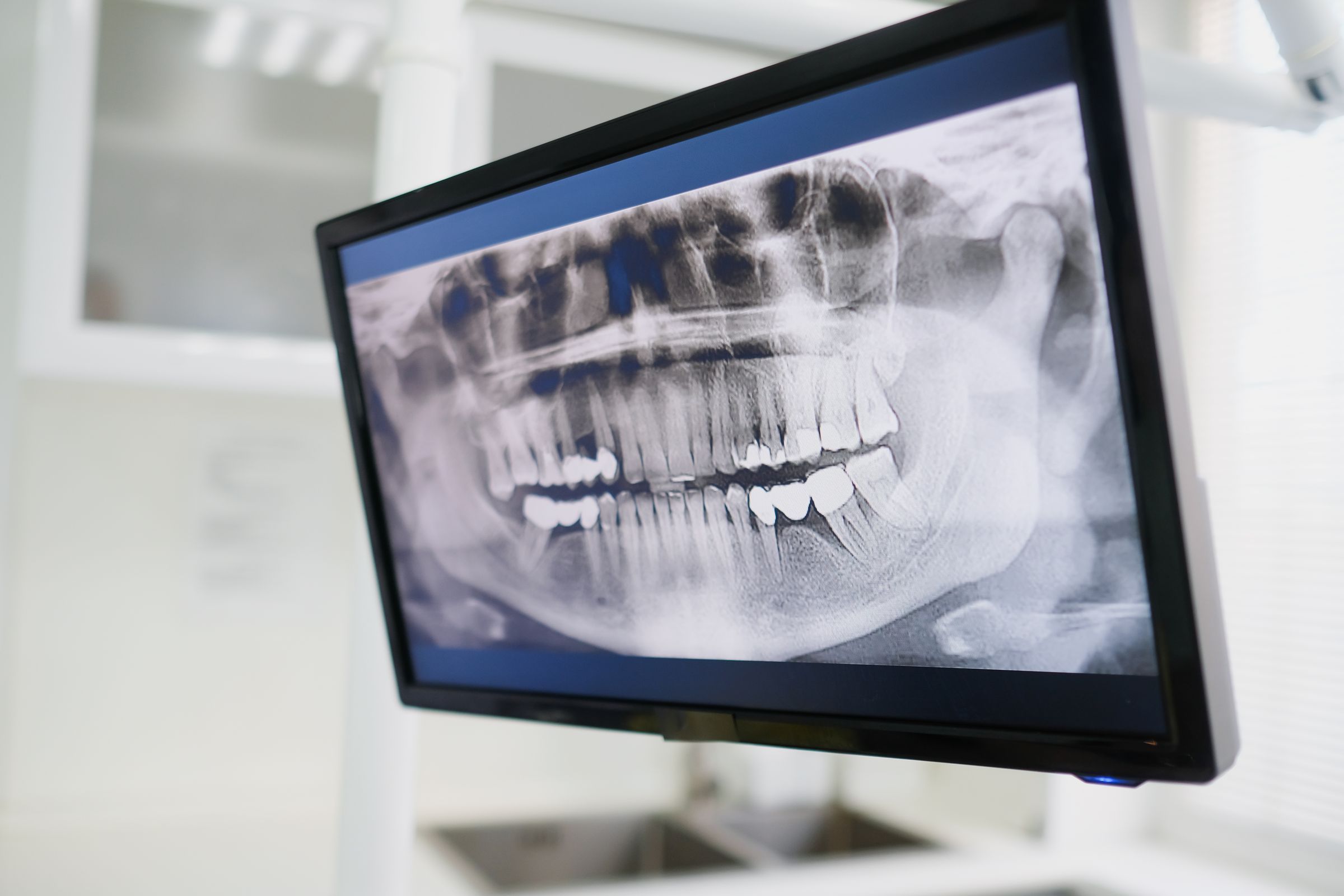
Wisdom tooth removal
Wisdom tooth removal is a surgical or routine procedure to take out one or more of the third molars at the back of the mouth when they cause problems or are likely to do so.
Read more
Tooth extraction and oral surgery
Tooth extraction and oral surgery cover the removal of damaged or problematic teeth—including wisdom teeth—along with other minor surgical procedures inside the mouth.
Read more
Emergency dental care
Emergency dental care addresses sudden problems affecting your teeth, gums or mouth, such as severe toothache, a broken tooth or an unexpected dental injury.
Read more
Plan your visit
Request an appointment for a time that suits you. We reply during our opening hours.
This page gives general information. It does not replace an examination by a dentist.