
Bone grafting and sinus lift
Bone grafting and sinus lift procedures are surgical treatments used to build up bone volume in the jaw so that there is enough bone to hold a dental implant.
Last updated:
What it is
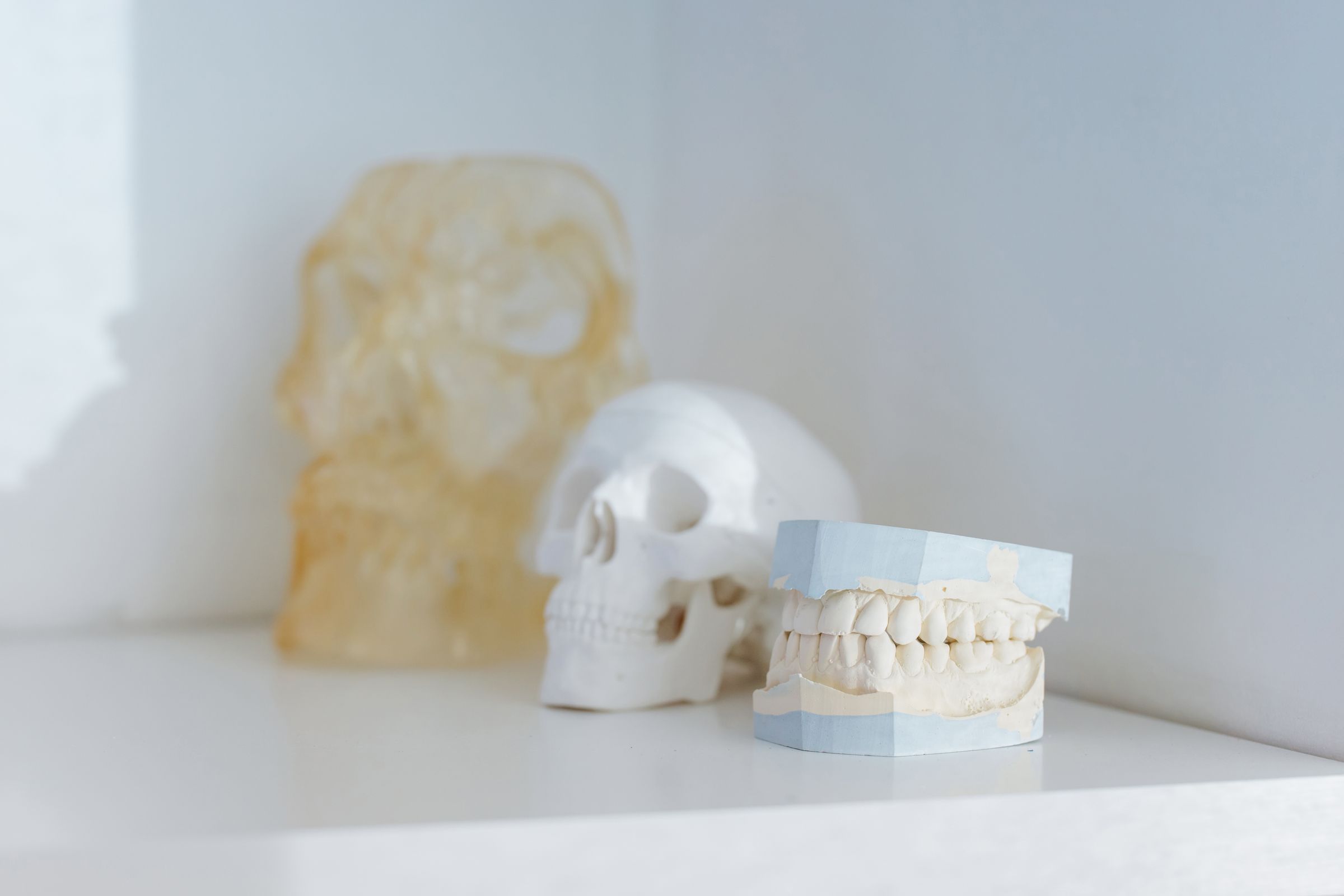
For a dental implant to stay firmly in place, it needs to be surrounded by a healthy thickness and height of jawbone. After a natural tooth is lost or removed, the bone that once held it often shrinks, becoming thinner or shallower over time. Gum disease, dental trauma or wearing a removable denture for many years can also lead to bone loss. Bone grafting and sinus lifts are ways to add bone volume either before an implant is placed or during the same appointment. Both procedures are part of oral surgery.
What is a bone graft?
A bone graft involves placing a specially prepared grafting material into an area where jawbone is lacking. Your body then uses this material as a natural scaffold, gradually growing its own new bone cells around and through it. The graft is typically covered with a thin protective membrane before the gum is stitched closed over the site.
Where does graft material come from?
In dentistry, bone graft material can be taken from another area of your own jaw, or sourced from a screened human donor bank, an animal-derived mineral source or a synthetic (man-made) biomaterial. Each option has its own advantages and limits, and your dentist will explain which type is recommended for your situation.
What is a sinus lift?
The maxillary sinuses are natural air-filled spaces located inside your cheekbones, just above the roots of your upper back teeth. When an upper back tooth is lost, the wall of bone separating the mouth from the sinus floor is often very thin, leaving too little room to hold an implant. During a sinus lift, your dentist lifts the thin membrane lining the floor of the sinus and places bone graft material into the space beneath it.
Why is a graft sometimes needed before an implant?
If the jawbone is too narrow or too shallow, a dental implant cannot be anchored solidly enough to withstand chewing forces. A 3D scan shows the exact height and width of your jawbone, allowing your dentist to explain whether a bone graft would be helpful in your case. You can read more about implants on our dental implants page.
Who it may be suitable for
Your dentist may discuss a bone graft or sinus lift with you if:
- you are considering dental implants, but a 3D scan shows there is not enough bone to support them
- you lost one or more teeth some time ago and the jaw ridge has narrowed
- the bone beneath the sinus cavity in your upper back jaw is naturally shallow
However, grafting procedures may not be suitable for everyone. Factors such as smoking, uncontrolled diabetes, untreated gum disease, active sinus infections, certain bone medications or previous radiotherapy to the head and neck can interfere with bone healing. Your dentist assesses your medical and dental history during your examination.
How the process works
- Examination and imaging. Your dentist asks about your general health, examines your mouth and takes x-rays or a 3D scan of your jaws.
- Planning. Your dentist explains the treatment options, including the choice of grafting material and any non-grafting alternatives.
- Preparation, if needed. Any active gum disease, tooth decay or sinus issues are addressed before surgery takes place.
- The procedure. Your dentist opens the gum tissue, places the bone graft material into position and stitches the gum closed. In a sinus lift, the sinus membrane is lifted before placing the graft. Before starting, your dentist will explain what you may feel and what to expect.
- Healing. Your body needs time to turn the graft into solid new bone. Your dentist will explain how many months of healing are likely to be needed in your case.
- Implant planning. Depending on how much natural bone you have to begin with, the dental implant may be placed at the same time as the graft or after the grafted bone has healed. Your dentist will outline the safest approach for you.
- Follow-up. Review appointments—and sometimes a follow-up scan—allow your dentist to check how well the new bone has matured.
The number of visits and the healing intervals between steps depend on your personal treatment plan. Your dentist will give you an estimate after your examination.
Possible risks and things to consider
Every surgical and dental procedure carries potential risks. Your dentist will explain the risks that apply to you before you make a decision.
- After the procedure, it is normal to experience some soreness, facial swelling, bruising or minor bleeding for several days.
- As with any surgery, the grafted site can develop an infection.
- In some cases, the bone graft may not integrate fully with your jawbone, or part of the added volume may shrink as it heals, meaning further treatment could be required.
- During a sinus lift, the thin membrane lining the sinus can occasionally tear. If a small tear occurs, your dentist may be able to repair it during the procedure, or they may pause the treatment to let the membrane heal before trying again later.
- A sinus lift can sometimes be followed by sinus inflammation or a congested feeling in the nose.
- If bone is taken from another area inside your own mouth, that donor site will also feel sore while it heals.
- Nearby structures, such as adjacent tooth roots or nerves, can occasionally be affected.
- Alternatives include using shorter implants, placing implants at an angle to use existing bone, choosing a fixed bridge supported by neighbouring natural teeth, wearing a removable denture, or having no treatment. Each option has advantages and limits, which your dentist will explain.
After treatment
Your dentist will give you detailed aftercare instructions covering how to keep your mouth clean, what foods and drinks to choose, and which activities to avoid while healing. If you have had a sinus lift, you will typically be asked not to blow your nose forcefully and to sneeze with your mouth open to avoid putting pressure on the sinus. Follow your dentist’s instructions closely and attend your review appointments. Please contact us if you have questions, if pain or swelling worsens after a few days, if bleeding continues or if you develop a fever.
Frequently asked questions
Do I always need a bone graft for an implant?
No. Many patients already have enough natural jawbone to hold an implant without grafting. A 3D scan shows your bone volume clearly, and your dentist will explain what is needed in your case.
What is the difference between a bone graft and a sinus lift?
A bone graft builds up bone width or height in an area of the jaw where an implant is planned. A sinus lift is a specific type of bone graft performed in the upper back jaw, where graft material is placed beneath the floor of the sinus cavity to create more bone height.
What will I feel during treatment?
Before the procedure begins, your dentist will explain what you may feel and what to expect during and after the appointment.
How long does healing take?
Healing times vary from person to person and depend on the size and type of graft. Your dentist will explain what to expect in your situation and when an implant can be planned.
Which material is used for the graft?
Grafting material can be sourced from your own bone, a human donor bank, an animal source or a synthetic material. Your dentist will explain which option they suggest for you and why.
What if the graft does not work?
Occasionally, a bone graft does not heal with enough density to support an implant. If that happens, your dentist will discuss your options, which may include repeating the graft or choosing a non-implant way to replace the missing tooth.
Related treatments
Dental implants
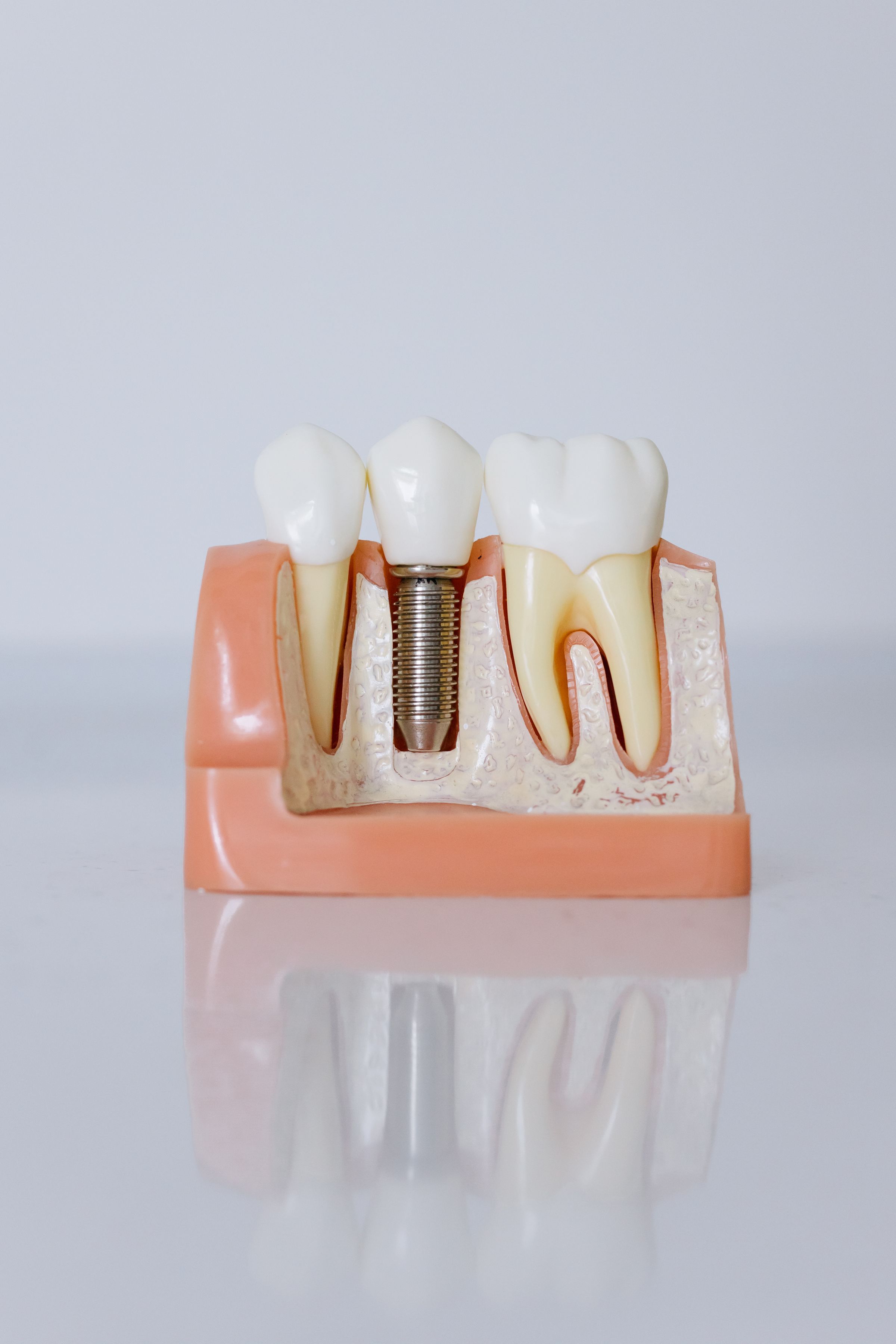
A dental implant is a small post, usually made of titanium, that is placed into the jawbone to support a replacement tooth.
Read more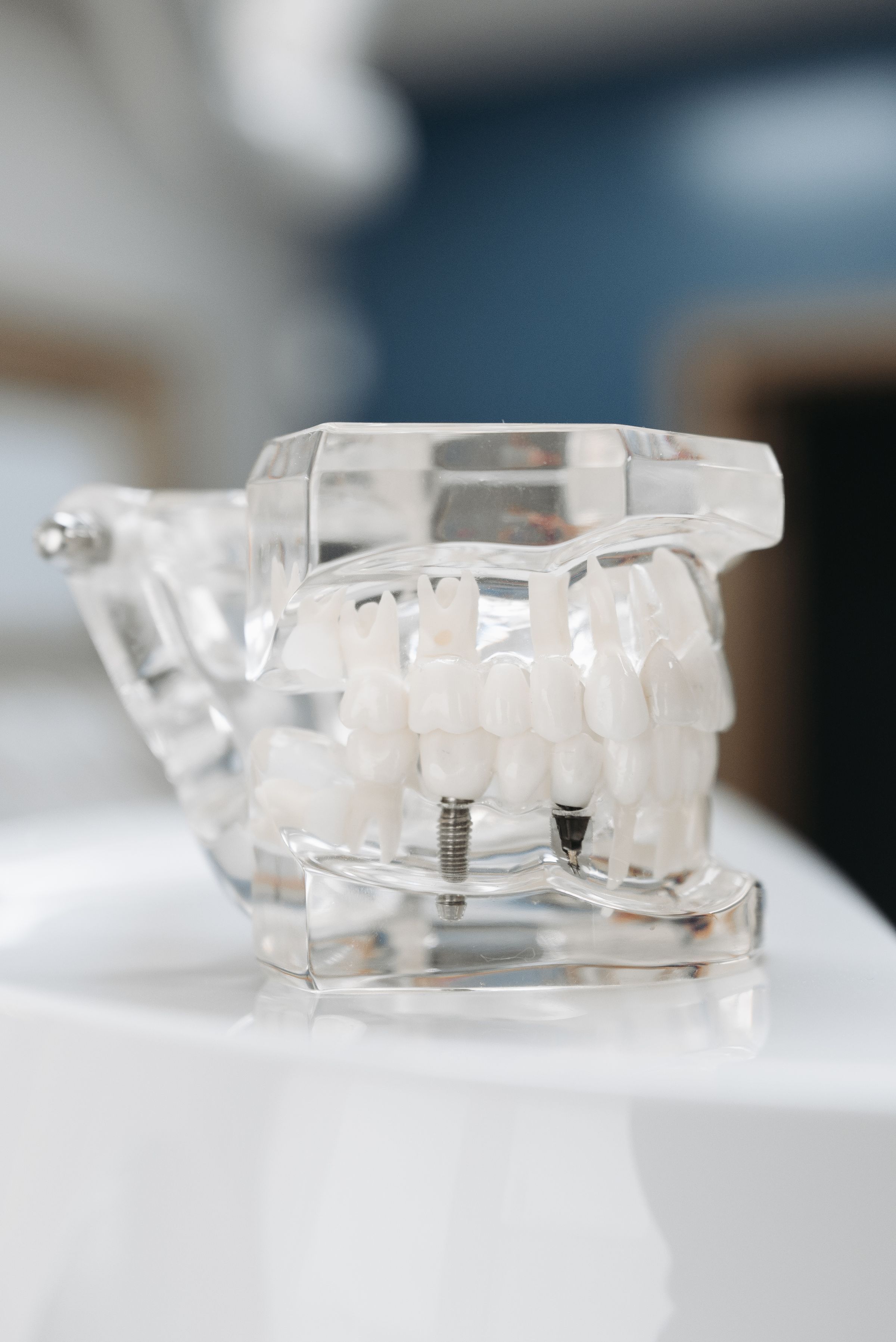
All-on-4 and All-on-6: full-arch fixed teeth on implants
All-on-4 and All-on-6 are treatment methods used to replace all the missing teeth in an upper or lower jaw with a single fixed bridge supported by four or six dental implants.
Read more
Tooth extraction and oral surgery
Tooth extraction and oral surgery cover the removal of damaged or problematic teeth—including wisdom teeth—along with other minor surgical procedures inside the mouth.
Read more
Next step
Your dentist assesses your situation during an examination and explains your options. You are welcome to request an appointment.
This page gives general information. It does not replace an examination by a dentist.