

All-on-4 and All-on-6: full-arch fixed teeth on implants
All-on-4 and All-on-6 are treatment methods used to replace all the missing teeth in an upper or lower jaw with a single fixed bridge supported by four or six dental implants.
Last updated:
What it is
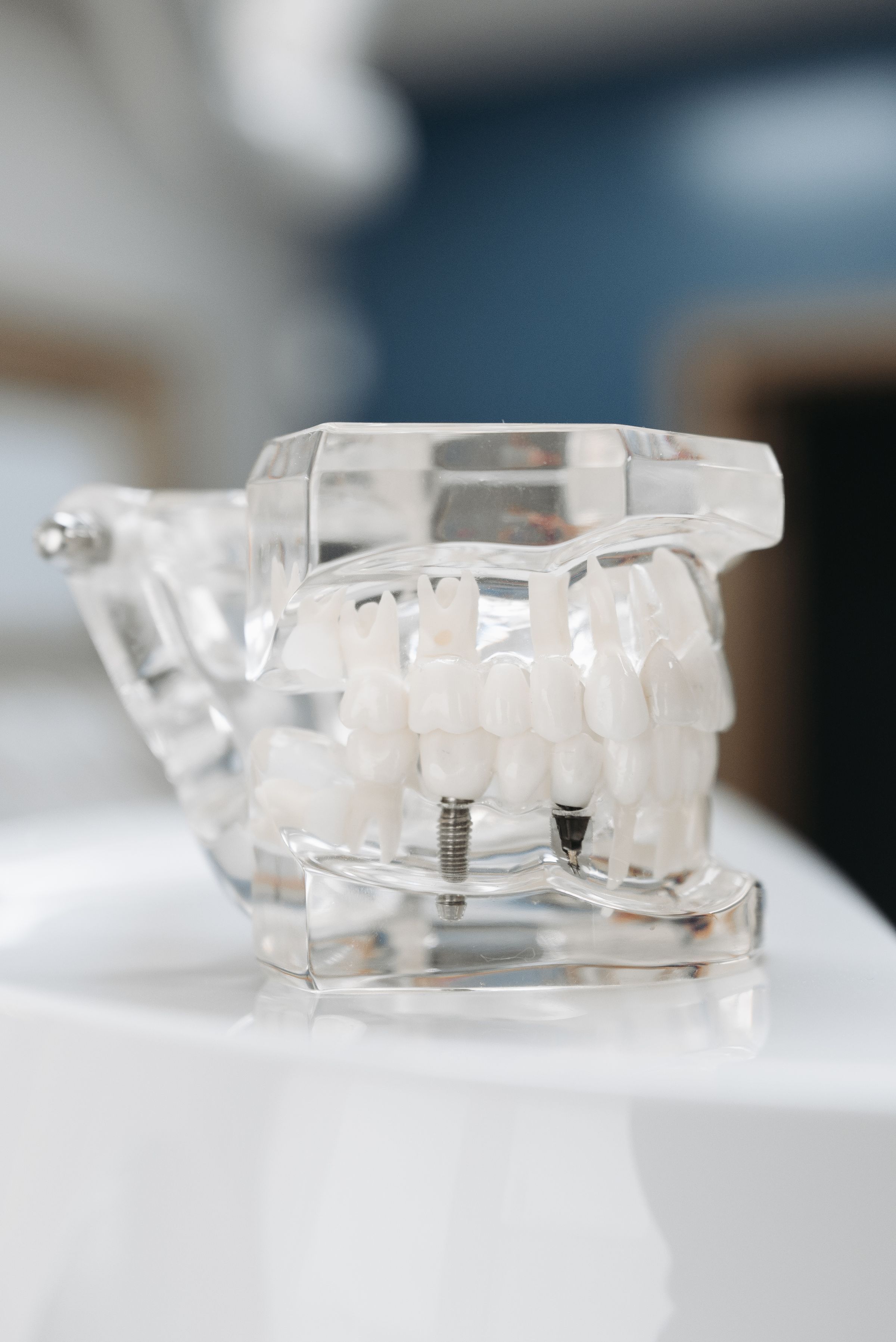
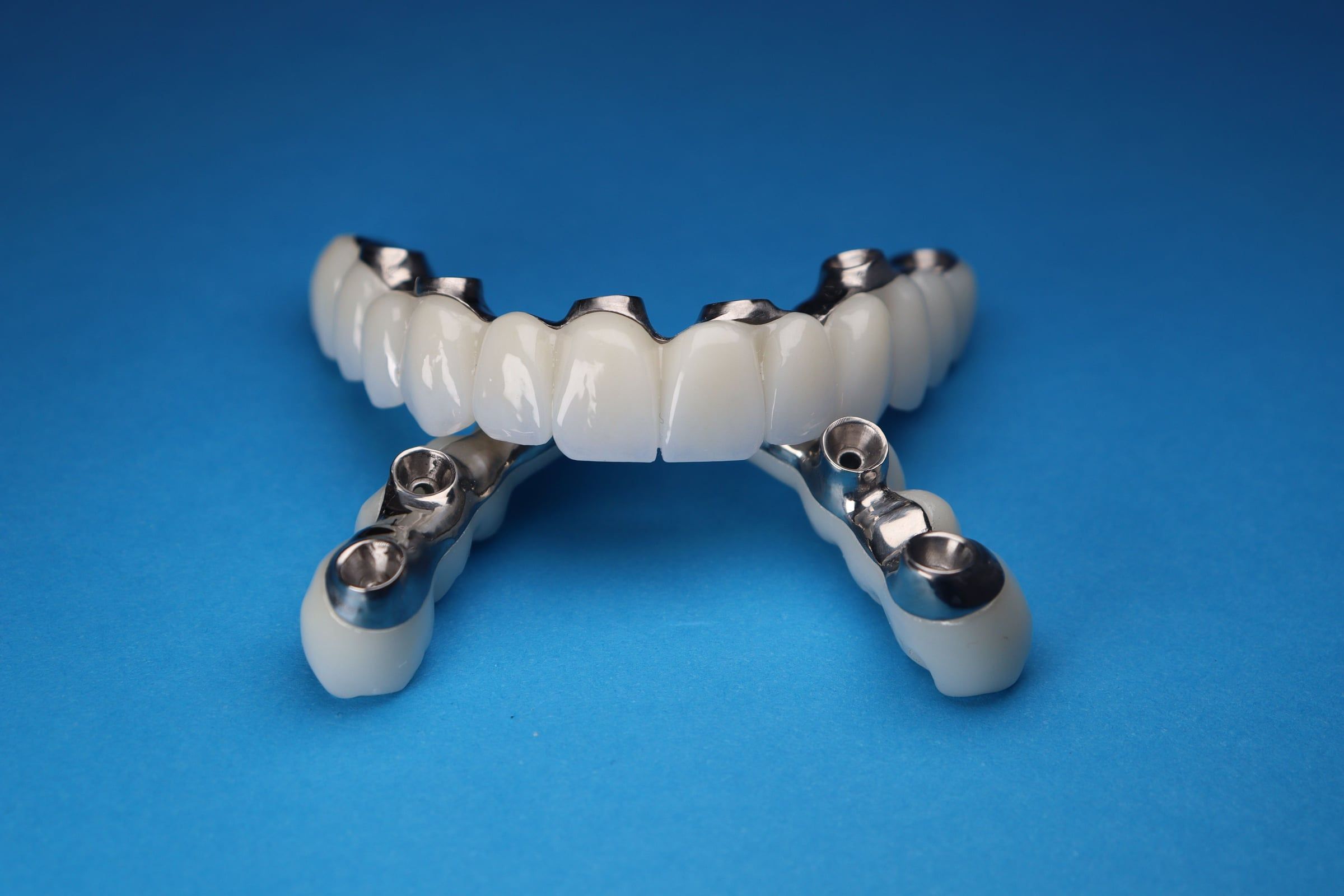
All-on-4 and All-on-6 are terms used for full-arch implant restorations. A full arch refers to the complete row of teeth in either your upper or lower jaw. During the procedure, a set number of dental implants are placed into the jawbone, and a single full-arch bridge is secured onto them. A dental implant is a small post—usually made of titanium—that sits in the bone to support replacement teeth, while a bridge is a connected row of artificial teeth. Because the bridge is fixed to the implants, you do not take it out at home; however, your dentist can unscrew and remove it in the clinic for professional cleaning or maintenance.
What is All-on-4?
In an All-on-4 procedure, a full jaw of replacement teeth is supported by four dental implants placed in planned positions. The two implants towards the back are often placed at an angle so they can make full use of the denser bone available towards the front of the jaw. Your dentist determines the exact number, position and angle of the implants after a clinical examination and a 3D bone scan.
What is All-on-6?
In an All-on-6 procedure, a full jaw of replacement teeth is supported by six dental implants. Adding two extra implants gives the fixed bridge wider support across the jaw. Your dentist may suggest using six implants when there is sufficient jawbone volume and your bite forces make extra support helpful.
What is the difference between All-on-4 and All-on-6?
- Number of implants: All-on-4 uses four implants per jaw, while All-on-6 uses six.
- Bone volume: All-on-4 often uses angled back implants to work with the bone already available, whereas All-on-6 generally requires enough bone across the jaw to place six implants.
- Load on the implants: With six implants, the pressure from chewing is spread across more points of support. When planning, your dentist also considers the shape of the bridge and how your jaws meet when you bite.
- Which option suits you: Neither approach is automatically better for everyone. Your dentist recommends an option after an examination and a 3D scan, taking into account your jawbone, gum health and general medical history.
How is it different from single implants and from a removable denture?
With single-tooth implants, an individual implant is placed for each missing tooth, or a short bridge is supported by two or three implants. With a full-arch restoration, just four or six implants support an entire jaw of teeth. Unlike a traditional removable denture—which rests directly on your gums and is taken out daily—an implant-supported fixed bridge is anchored to the implants and stays in place. Your dentist will explain how these options compare for your mouth. You can also read more on our dental implants page.
Who it may be suitable for
Your dentist may consider a full-arch implant treatment if you:
- have lost most or all of the teeth in your upper or lower jaw
- have remaining teeth that cannot be saved due to advanced gum disease or extensive damage
- currently wear a full removable denture that feels loose or uncomfortable
- are able to maintain thorough daily cleaning around the bridge and attend regular check-ups
However, this treatment may not be suitable in certain situations, including:
- insufficient jawbone volume or bone quality that cannot securely hold implants
- uncontrolled diabetes
- heavy smoking
- taking certain medications, such as specific drugs used to treat bone conditions
- previous radiotherapy to the head or neck area
- active, untreated gum disease
Your dentist assesses all of these factors during an examination—supported by x-rays and a 3D scan—before talking you through your options.
How the process works
- Examination and imaging. Your dentist asks about your medical history and regular medications, examines your mouth and takes x-rays or a 3D jaw scan.
- Planning. Your dentist explains the suitable options, whether four or six implants are appropriate, and what alternatives exist. The exact number and positions of the implants are planned using your 3D scan.
- Preparation, if needed. Before placing implants, your dentist may treat existing gum disease or remove damaged teeth that cannot be kept.
- Surgery. The dental implants are placed into the jawbone. Before surgery begins, your dentist explains what you may feel and what to expect. This step falls under oral surgery.
- Temporary bridge. Depending on how firm the implants are in the bone, a temporary bridge may be fitted while the area heals.
- Healing. The jawbone needs time to grow onto and bond firmly with the implants. Your dentist will explain how long this healing phase is likely to take in your case.
- Final bridge. Once healing is complete, your dentist takes detailed impressions or a digital scan so your final bridge can be custom-made. The bridge is then secured to the implants and your bite is checked.
- Follow-up. Regular review appointments allow your dentist to check the health of your gums, bone and implants, as well as the fit of the bridge.
The number of appointments and the overall timeframe depend on your personal treatment plan. Your dentist will give you an estimate after completing your examination.
Possible risks and things to consider
Every dental procedure carries potential risks. Your dentist will explain the risks that apply to you before you decide how to proceed.
- After implant surgery, it is common to experience some pain, swelling, bruising or light bleeding for several days.
- Occasionally, an implant may fail to bond properly with the jawbone and may need to be removed.
- The tissue around an implant can develop an infection. Inflammation of the gum and bone supporting an implant is called peri-implantitis; smoking and inadequate daily cleaning increase this risk.
- In some cases, nearby anatomical structures—such as nerves in the lower jaw or the sinus cavity in the upper jaw—can be affected. Detailed 3D scans help your dentist plan around these areas.
- Over time, teeth on the bridge can chip or wear, and the tiny screws holding the bridge can loosen, meaning repairs or replacement may be needed.
- A fixed full-arch bridge requires careful cleaning every day, including using special floss or brushes underneath the bridge where it meets the gum. Your dentist will show you how to do this.
- You will need regular dental check-ups and professional cleanings for as long as you have your implants.
- How long dental implants and a fixed bridge last depends on your general health, your daily cleaning at home and regular check-ups.
- Alternatives include a conventional removable denture, a removable overdenture that clips onto implants, a fixed bridge supported by a larger number of implants, or choosing no implant treatment. Each option has its own advantages and limits, which your dentist will explain.
After treatment
Your dentist will provide clear aftercare instructions covering how to clean around your bridge, what foods to choose while healing and how to take any prescribed medicines. Follow this advice closely and attend your scheduled check-ups. Please contact us if you have any questions, if swelling or pain increases, or if part of the bridge or a screw ever feels loose.
Frequently asked questions
What is the difference between All-on-4 and All-on-6?
All-on-4 uses four implants to support a full-arch fixed bridge, while All-on-6 uses six implants. Which approach is appropriate for you depends on your jawbone volume, gum health and bite. Your dentist assesses this after a clinical examination and a 3D scan.
How many implants will I need?
The number of implants depends on the shape and density of your jawbone and your overall treatment plan. Some patients are suited to four implants, others to six or a different arrangement. Your dentist will give you a tailored recommendation after examining your mouth.
What will I feel during treatment?
Before any procedure begins, your dentist will explain what you may feel and what to expect at each stage.
How long does the treatment take?
Treatment times vary from person to person depending on how quickly your bone heals and what preparatory steps your treatment plan includes. Your dentist will give you an estimated timeline after your examination.
How long do the implants and the bridge last?
There is no set lifespan. How long implants and a bridge remain in good condition depends on your general health, the health of your gums, how thoroughly you clean around the bridge every day and regular dental check-ups.
What if I do not have enough bone?
Your dentist checks your available bone volume using a 3D scan. Sometimes angling the back implants allows treatment to go ahead using the bone you already have. In other cases, your dentist may suggest a bone grafting procedure first, or discuss an alternative type of denture or bridge. Each option has its own advantages and limits.
I live abroad. Will I need follow-up visits?
Yes. Follow-up check-ups are essential after implant treatment to monitor healing and check your bridge. Your dentist will discuss how follow-up visits are planned during your initial examination.
Related treatments
Dental implants
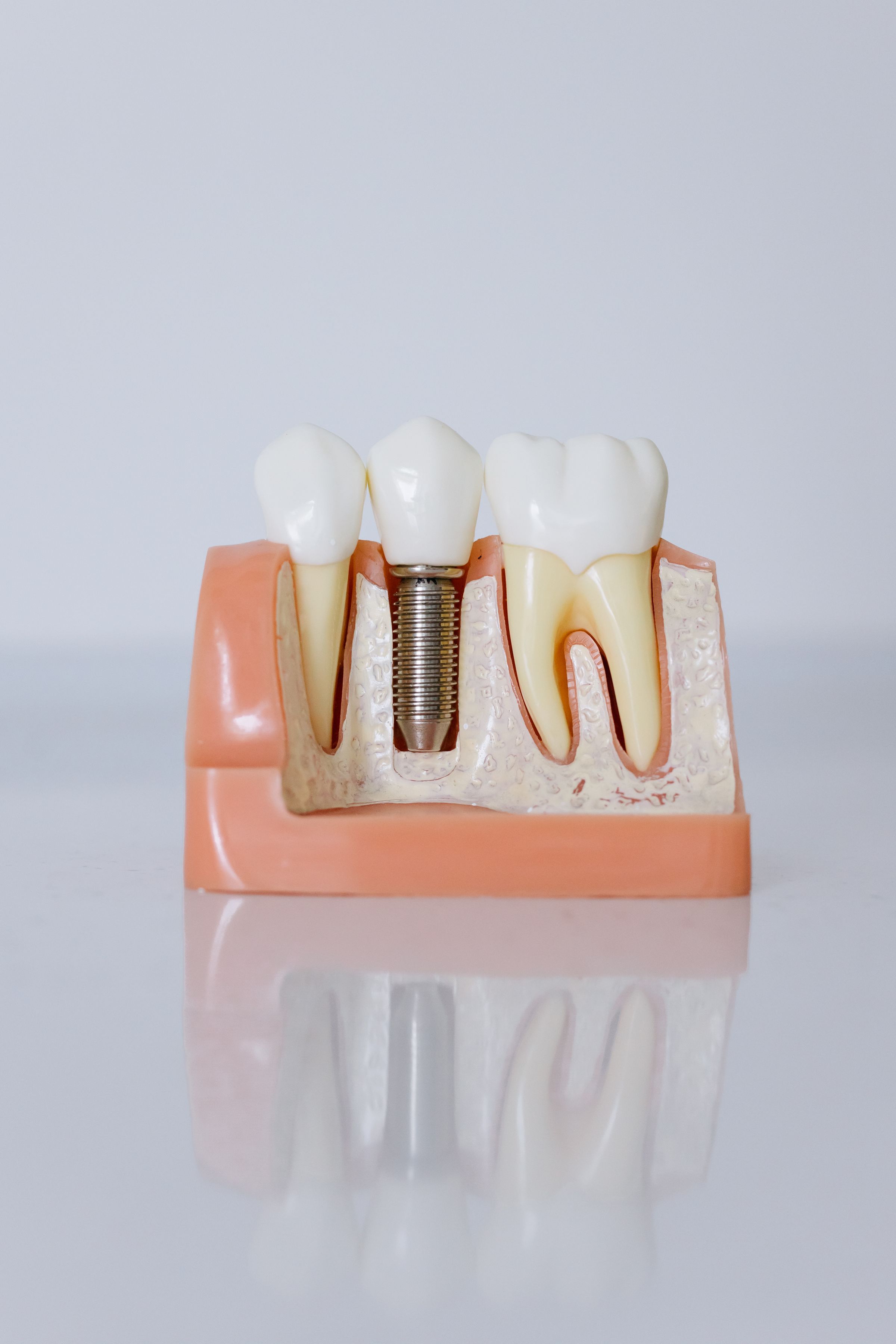
A dental implant is a small post, usually made of titanium, that is placed into the jawbone to support a replacement tooth.
Read more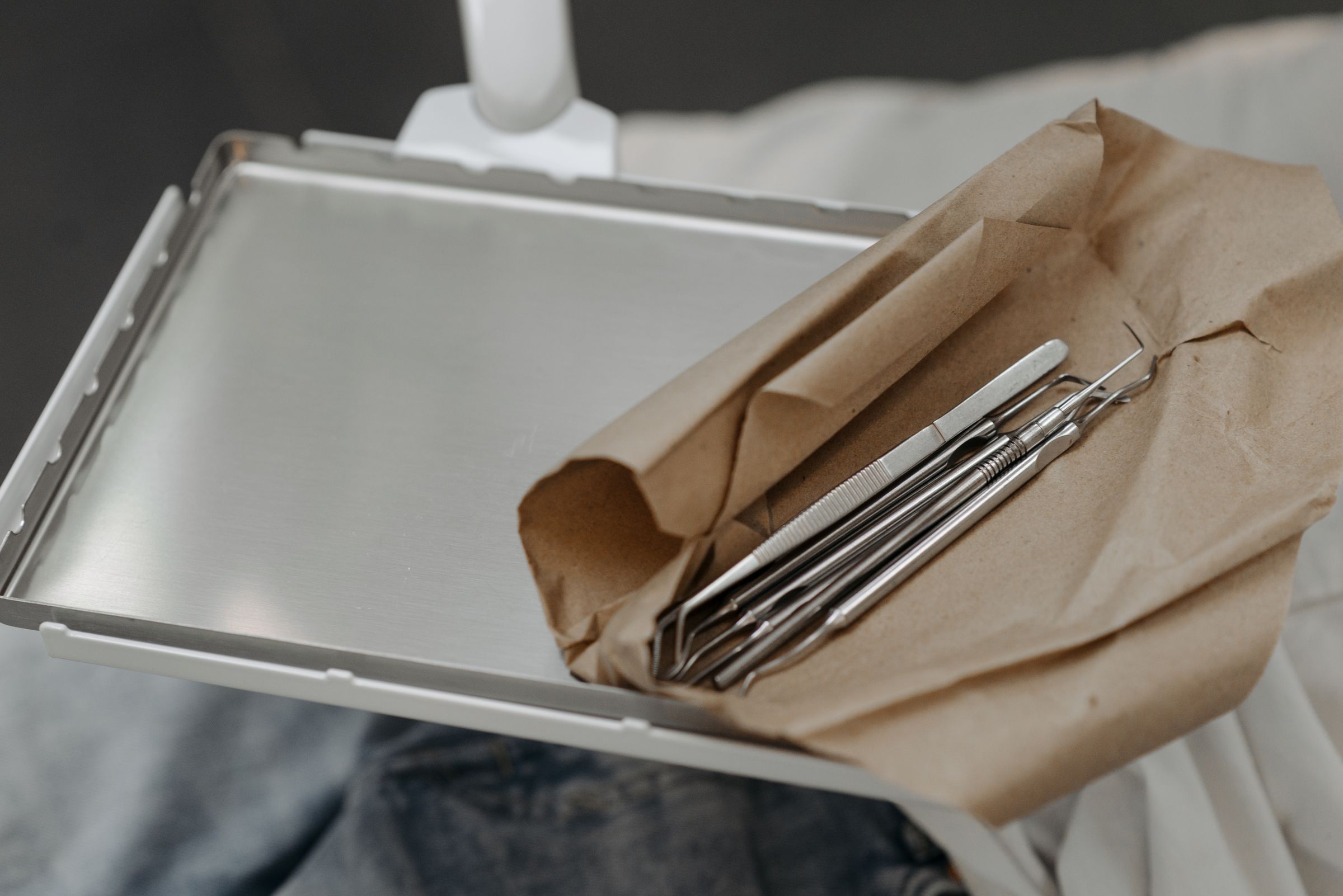
Tooth extraction and oral surgery
Tooth extraction and oral surgery cover the removal of damaged or problematic teeth—including wisdom teeth—along with other minor surgical procedures inside the mouth.
Read more
Gum (periodontal) treatment
Gum (periodontal) treatment cleans and cares for the gums and the supporting tissues around your teeth when they become inflamed or infected.
Read more
Next step
Your dentist assesses your situation during an examination and explains your options. You are welcome to request an appointment.
This page gives general information. It does not replace an examination by a dentist.