

Teeth grinding and night guards
A night guard is a custom-made plastic cover worn over your teeth—usually while you sleep—to help protect them from the wear and pressure of grinding or clenching.
Last updated:

What it is
The medical term for grinding or clenching your teeth is bruxism. It often happens unconsciously during sleep, so many people are unaware they do it until a partner hears it or a dentist spots wear on their teeth. A night guard does not stop the habit of clenching or address its underlying cause; instead, it acts as a protective cushion between your upper and lower teeth.
What are the signs of teeth grinding?
Common signs include flattened or worn chewing surfaces, tiny chips or hairline cracks in enamel, unexplained tooth sensitivity, tight or tired jaw muscles when waking up, morning headaches, or grinding sounds noticed by a sleeping partner. Because these symptoms can have other causes as well, your dentist examines your teeth, bite and jaw muscles to investigate.
What can grinding do to teeth?
Over time, repeated clenching and grinding can wear away tooth enamel, cause teeth to chip or fracture, place heavy stress on existing fillings, crowns and veneers, and leave the jaw muscles feeling aching or fatigued. In some people, it is also associated with tension headaches or discomfort in the jaw joints. However, not everyone who grinds their teeth experiences all of these effects.
What is a night guard?
A night guard—also known as an occlusal splint—is made to fit cleanly over your upper or lower teeth using moulds (impressions) or a digital scan of your mouth. Made from hard or soft dental plastic, it absorbs and spreads biting forces to shield your teeth from direct wear. It is a protective appliance rather than a cure for bruxism.
Does a night guard treat the cause?
No. A night guard protects your teeth and restorations from physical damage, but factors that contribute to bruxism—such as stress, disrupted sleep, certain medicines or how your teeth meet—need to be considered separately. Where another factor seems likely, your dentist may suggest speaking with your medical doctor. Your dentist can also offer advice on caring for tired jaw muscles, though a night guard cannot promise to remove jaw pain.
Who it may be suitable for
Your dentist may suggest a custom night guard if:
- your teeth show visible wear, flattening or chipping from grinding or clenching
- you have crowns, veneers or large fillings that benefit from protection against heavy night-time pressure
- you frequently wake with a tight jaw or dull headache and an examination suggests tooth clenching may be a factor
A night guard is not always the right option for every patient. For instance, if you have certain sleep-related breathing conditions, such as untreated sleep apnoea, your dentist may discuss a different approach or coordinate with your doctor. Your dentist assesses whether a guard is suitable during your examination.
How the process works
- Conversation and examination. Your dentist asks about your sleep, jaw comfort and daily habits, then checks your teeth, gums, bite and jaw muscles.
- Explanation. Your dentist explains what they have observed and discusses whether a night guard or another approach would be helpful.
- Impression or scan. Your dentist takes an accurate impression or digital scan of your teeth so the appliance can be shaped to your bite.
- Making the guard. Your custom night guard is made to fit your teeth.
- Fitting. Your dentist checks that the guard sits comfortably and evenly against your opposite teeth, and shows you how to put it in, take it out and keep it clean.
- Follow-up. Bringing your guard to routine check-ups allows your dentist to check both your teeth and the fit and wear of the appliance.
The number of visits depends on your treatment plan. Your dentist will give you an estimate after your initial examination.
Possible risks and things to consider
Every dental appliance and treatment involves certain considerations. Your dentist will explain those relevant to you before you decide.
- Wearing a night guard feels unfamiliar at first. You may notice extra saliva or slight tightness around your teeth or jaw for the first few nights. If any spot rubs, your dentist can adjust it.
- Because it absorbs grinding forces, a night guard will gradually wear down, develop marks or eventually crack, and it may need repairing or replacing over time.
- If a guard is not cleaned thoroughly every day, bacteria can build up on its surface, leading to unpleasant odours or gum irritation.
- A night guard protects the teeth while worn, but it does not stop the grinding reflex itself.
- An ill-fitting or worn guard can occasionally affect how your teeth come together. Let your dentist know if your bite begins to feel different.
- How long a night guard lasts depends on how heavily you clench or grind and how well you look after it.
- Alternatives: simply monitoring tooth wear at regular check-ups, repairing worn teeth directly, or exploring underlying triggers such as stress or sleep issues with your doctor. Each approach has benefits and limitations, which your dentist will discuss with you.
After treatment
Your dentist will explain how to care for your night guard at home. Rinse it after taking it out each morning, brush it gently with a soft toothbrush and cool water, and allow it to dry in its ventilated storage case when not in use. Keep it away from hot water, direct sunlight or heaters, as heat can warp the plastic. Remember to bring your guard with you to your dental check-ups. Please contact us if you have questions, if the guard cracks or feels loose, or if your bite feels unusual.
Frequently asked questions
How do I know if I grind my teeth?
Common clues include worn or chipped tooth edges, waking up with a tired or stiff jaw, or a partner hearing grinding noises while you sleep. During a check-up, your dentist can examine your tooth surfaces and jaw muscles and let you know what they see.
Will a night guard stop me from grinding?
No. A night guard acts as a protective barrier between your teeth so they do not grind directly against one another, but it does not stop the muscle activity itself. If stress or sleep difficulties may be involved, your dentist may suggest discussing these with your medical doctor.
Is a night guard from the pharmacy the same as a custom one?
Over-the-counter guards are not shaped to your specific bite and can often feel bulky, shift out of place or sit unevenly. A custom dental night guard is made from an exact impression or scan of your teeth and checked by your dentist for an even bite. Your dentist can explain the differences for your mouth.
What will I feel when I wear a guard?
Your dentist will explain what to expect when you first try it on. Most people feel aware of the plastic for the first few nights before getting used to sleeping with it in place.
How do I clean a night guard?
Each morning, brush the guard gently using a soft toothbrush and cool water, then leave it to air-dry inside its protective case. Avoid hot water, which can change its shape.
How long does a night guard last?
There is no fixed lifespan. How long a guard remains effective depends on the material used, how heavily you clench or grind your teeth at night and your daily care. Bring it along to your routine check-ups so your dentist can inspect it for wear.
Related treatments
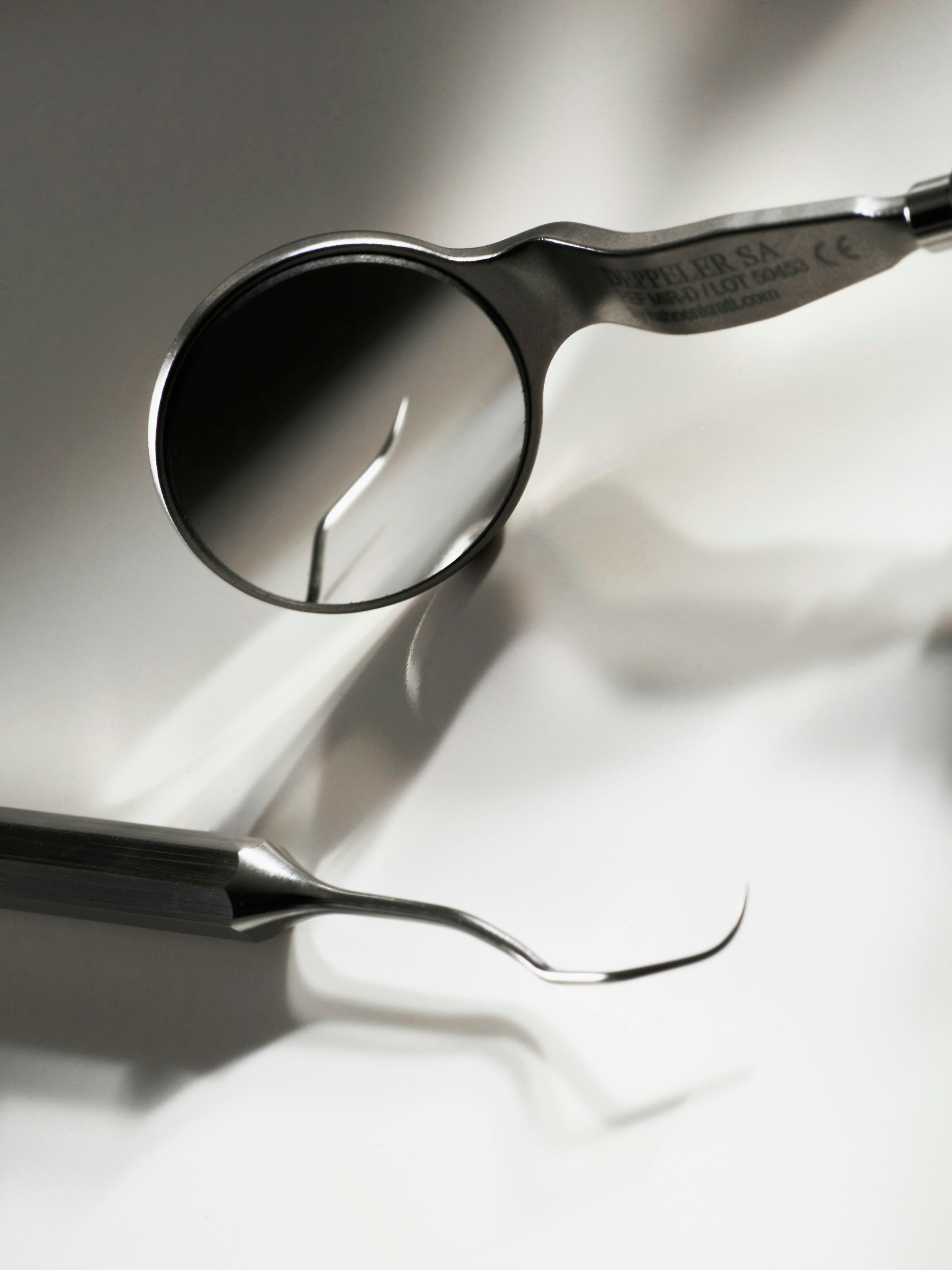
Check-ups and preventive care
A dental check-up is a regular examination of your teeth, gums and mouth. It often includes a professional clean and practical advice on how to care for your teeth at home.
Read more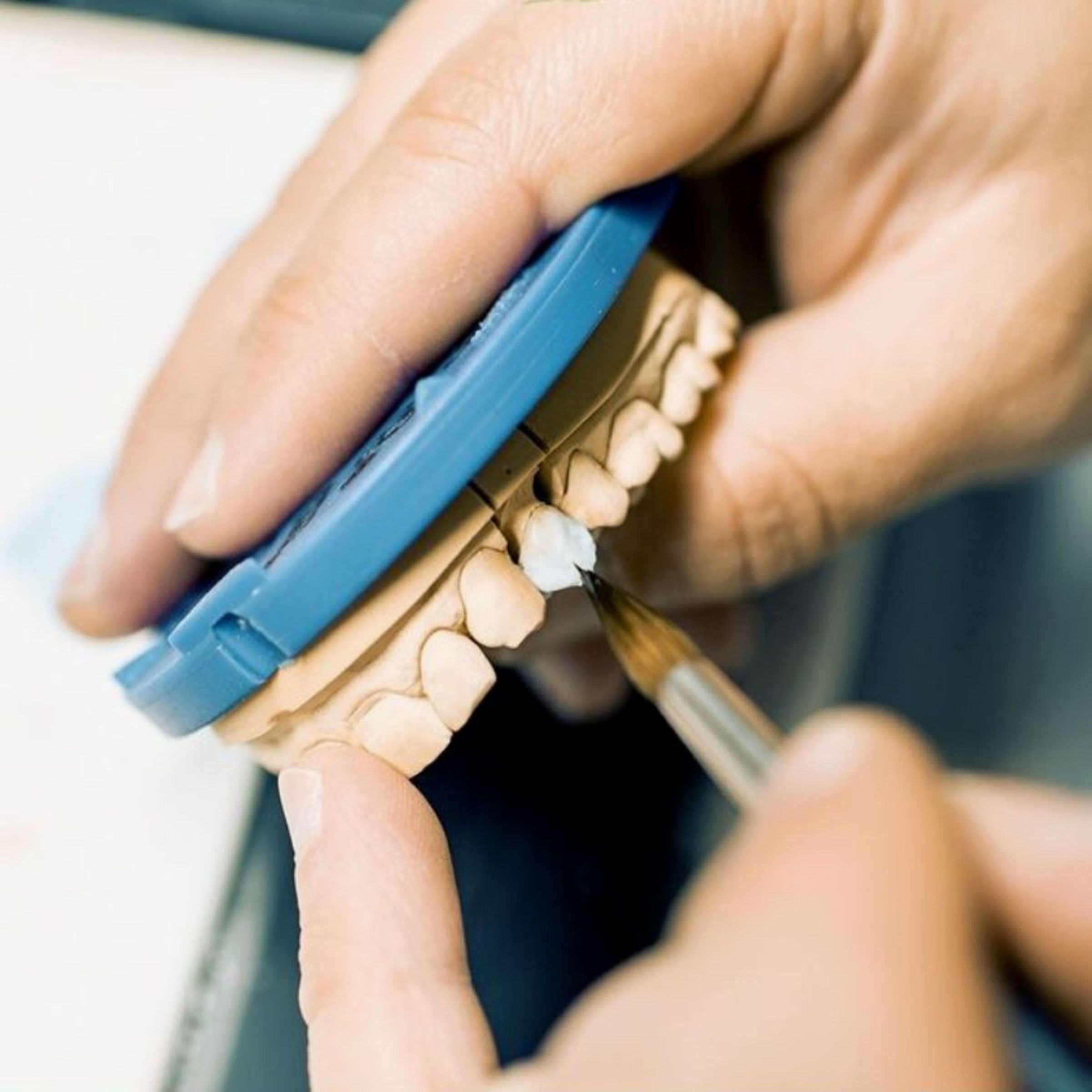
Dental veneers
Dental veneers are thin, custom-made shells attached to the front surface of teeth to adjust their colour, shape or size.
Read more
Gum recession
Gum recession occurs when the gum tissue pulls back from a tooth, leaving more of the tooth—and sometimes its root—exposed.
Read more
Next step
Your dentist assesses your situation during an examination and explains your options. You are welcome to request an appointment.
This page gives general information. It does not replace an examination by a dentist.